

Bahraini households continue to record relatively low levels of electricity consumption, even during the peak summer months when demand typically rises, a senior official has confirmed.
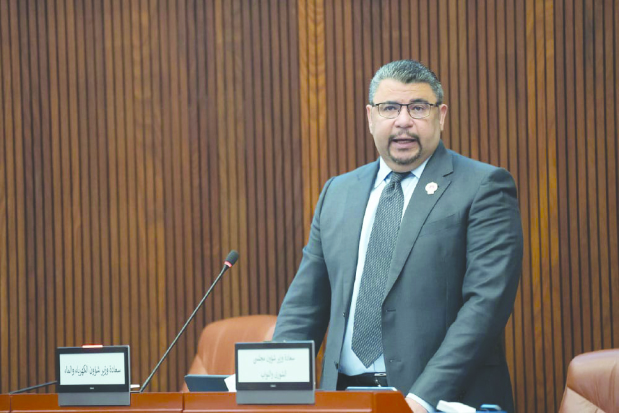
Electricity and Water Affairs Minister Yasser Humaidan shared data covering the months of May to September from 2023 to 2025, showing that the vast majority of residential accounts used fewer than 5,000 kilowatt-hours per month.
According to the figures, 99 per cent of Bahraini subsidised accounts stayed below the 5,000 kWh threshold in most months.
Among non-subsidised accounts, between 82 per cent and 97 per cent also remained under this level, depending on the month.
The minister further noted that most electricity and water bills do not exceed BD150 per month.
During the summer period from 2023 to 2025, the number of subsidised households with bills below BD150 ranged from around 141,000 to more than 157,000 accounts.
For non-subsidised accounts, the corresponding range was approximately 99,000 to 110,000 accounts.
He said the data demonstrates that only a small fraction of consumers surpass high electricity usage or billing levels, even during Bahrain’s hottest months.
Meanwhile, Bahrain currently generates only 1.5 per cent of its electricity from renewable energy, despite ongoing efforts to expand solar and other clean power sources.
Mr Humaidan revealed the figure in written replies to Parliament, highlighting both the current energy mix and the government’s plans to significantly increase renewable capacity in the coming years.
The replies came in response to questions submitted by Parliament’s financial and economic affairs committee chairman MP Ahmed Al Salloom and MP Dr Mahdi Al Shuwaikh regarding electricity production, renewable energy expansion and household consumption levels.
According to the minister, the kingdom produces around 20,000 gigawatt-hours of electricity annually, with renewable energy contributing a small but growing share.
“The contribution of renewable energy systems currently represents approximately 1.5pc of total annual electricity production,” Mr Humaidan said, stressing that authorities were continuing efforts to increase the share of clean energy in Bahrain’s overall power mix.
Bahrain adopted its National Renewable Energy Plan in 2017, which sets a long-term goal of raising renewable energy’s share of electricity generation to 20pc by 2035.
The minister said steady progress was being made towards that target.
So far, 372 renewable energy projects with a combined capacity of more than 141 megawatts have been completed.
In addition, 54 new projects are currently under development, which are expected to raise total installed capacity to around 500MW in the coming years.
Several large-scale solar power plants are also being developed as part of the expansion plan.
Among the projects underway is the Al Dur Renewable Energy Plant expansion, which is expected to add around 100MW of solar capacity.
&uuid=(email))