

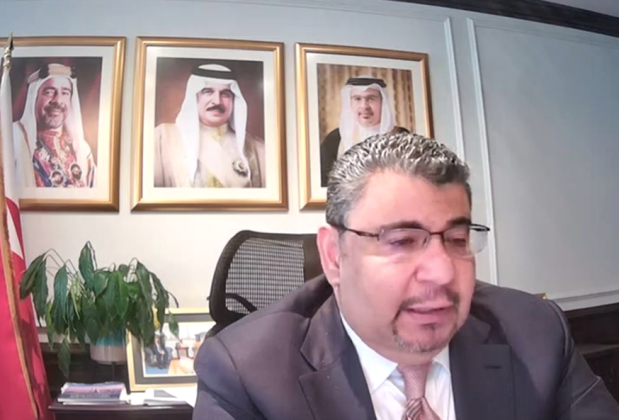
Bahraini households continue to demonstrate controlled electricity consumption patterns, with the vast majority remaining below key usage thresholds even during the peak summer demand, Parliament heard during its weekly session.
Speaking before MPs, Electricity and Water Affairs Minister Yasser Humaidan revealed that around 83 per cent of subsidised accounts remain below the 5,000 kilowatt-hour (kWh) monthly consumption level, based on the latest data covering recent years.
He noted that while the 5,000kWh benchmark is used as a key indicator, the approved ceiling for subsidised consumption has been raised to 7,000kWh, offering households greater flexibility during the high-demand summer months from May to September.
The minister stressed that most Bahraini households continue to record moderate electricity usage, with only a limited segment exceeding higher consumption levels, even at the height of summer.
His remarks came in response to parliamentary questions submitted by MPs, including Dr Mahdi Al Shuwaikh and financial and economic affairs committee chairman Ahmed Al Salloom, regarding consumption patterns, billing levels and the kingdom’s energy mix.
Mr Humaidan further confirmed that the majority of electricity and water bills remain below BD150, reflecting stable household expenditure despite seasonal pressures.
Figures presented to Parliament show that during the 2023-2025 summer periods, the overwhelming majority of subsidised accounts – reaching up to 99 per cent in some months – remained below the 5,000 kWh threshold, while a significant proportion of non-subsidised accounts also stayed within this range.
The data underscores a consistent trend of restrained consumption across the kingdom, reinforcing the effectiveness of existing policies aimed at balancing demand and affordability.
Meanwhile, the minister highlighted that Bahrain’s renewable energy contribution currently stands at around 1.5pc of total electricity production, as efforts continue to expand solar capacity and diversify energy sources.
He stressed that work is ongoing to meet the kingdom’s long-term target of increasing renewable energy’s share to 20pc by 2035, in line with the National Renewable Energy Plan, alongside exploring additional energy options to support future demand.
“We are studying peaceful use of nuclear energy and new solar power technologies,” he added. “However, wind energy has proven unfeasible and expensive following extensive testing.”
&uuid=(email))