

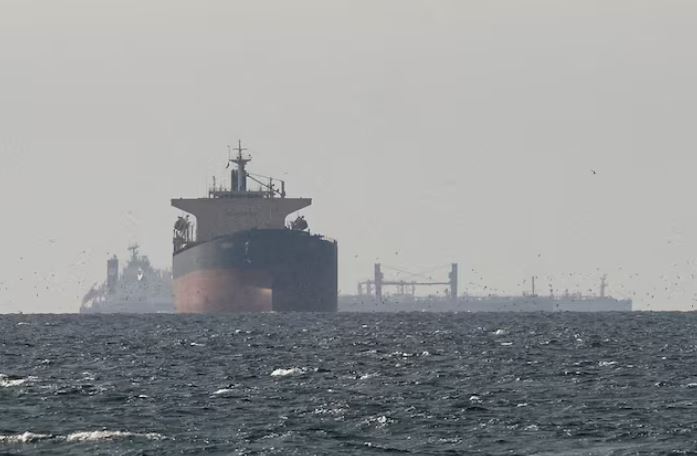
THE escalating conflict in the Middle East has knocked the global economy off a stronger growth path, the OECD warned yesterday, as a near-halt in energy shipments through the Strait of Hormuz threatens to push inflation sharply higher.
The Paris-based Organisation for Economic Cooperation and Development said the global economy had been on course for stronger-than-expected growth before the war in Iran erupted, but that prospect has now all but disappeared.
Global GDP growth is now projected to ease from 3.3 per cent last year to 2.9pc in 2026 before edging up to 3.0pc in 2027, as an energy price surge and the unpredictable nature of the conflict offset tailwinds from strong technology-related investment, lower effective tariff rates and momentum carried over from 2025.
“There’s a high level of uncertainty around the duration and the magnitude of the current conflict in the Middle East and that means that this outlook is subject to significant downside risks that could result in lower growth and higher inflation,” OECD chief Mathias Cormann told journalists.
The projections in the OECD’s interim Economic Outlook are conditional on a technical assumption that energy market disruption moderates over time, with oil, gas and fertiliser prices declining gradually from mid-2026 onwards.
&uuid=(email))