

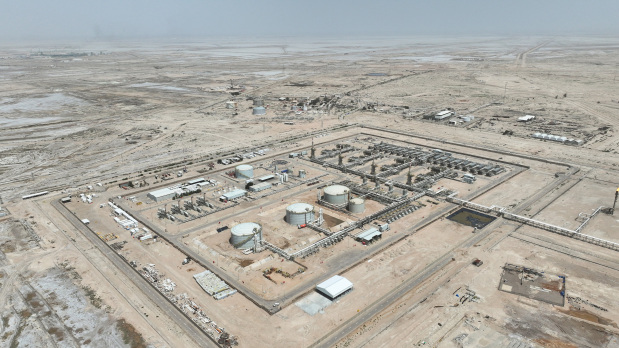
Oil prices retreated in choppy trade yesterday, as investors awaited clarity on the status of indirect talks between the US and Iran, wary about sustained supply losses due to shipping disruptions.
Brent crude futures were down 0.22 per cent to $108.79 a barrel yesterday evening. US West Texas Intermediate crude futures were trading down 0.08pc to $111.45 per barrel.
The price moves yesterday were dwarfed by an 11pc surge for WTI and an 8pc rise for Brent during the previous trading session on Thursday, the biggest absolute price increase since 2020.
The Middle East supply disruptions have led to refiners seeking alternative sources for crude, particularly for physical cargoes in the US and Britain’s North Sea. Spot premiums for US WTI crude have jumped to all-time highs on competition between Asian and European refiners.
Indian refiners have also postponed maintenance shutdowns of their units to meet local fuel demand. On Sunday, Opec+, consisting of some members of the Organisation of the Petroleum Exporting Countries and allies such as Russia, agreed to a modest rise of 206,000 barrels per day for May.
“Opec movements look to be challenged based on export availability,” said Rystad analyst Janiv Shah. Saudi Arabia also set the official selling price of May Arab Light crude oil to Asia at a record premium of $19.50 a barrel above the Oman/Dubai average, an increase of $17 from the previous month, Aramco said. Russian supply has been disrupted recently by Ukrainian drone attacks on its Baltic Sea export terminals.
Media reports on Sunday said its Ust-Luga terminal resumed loadings on Saturday after days of disruptions. Exports from the Black Sea port of Tuapse are set to rise to 794,000 metric tonnes in April, up 8.7pc on a daily basis from 755,000 metric tonnes planned for March, according to two traders and Reuters calculations.
&uuid=(email))