

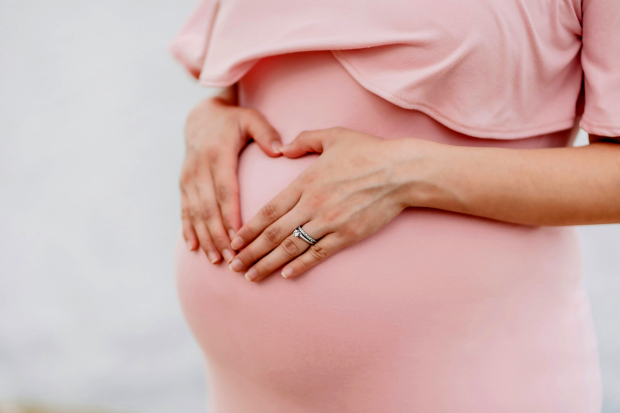
Women and experts in Bahrain have indicated a cultural shift with a rising number of couples choosing to get pregnant later rather than sooner.
More women in their late 30s and early 40s are seeking fertility treatments, including first-time mothers. Additionally, medical science has significantly progressed, offering diverse options from in vitro fertilisation (IVF) to assisted reproductive technology (ART).
Despite this, there continues to be a social stigma surrounding women’s ages and delayed pregnancies, as experienced by Portuguese expatriate and teacher Berenice Coelho from Jurdab.
“I was 23 when I married and we did not want to start a family immediately,” the 40-year-old told the GDN.
“But that didn’t stop people from offering unsolicited advice or assuming we were struggling to conceive,” she added.
“When I was around 28, we decided we were ready. We approached it practically, thinking we would visit a doctor to make sure everything was working as it should and perhaps get advice on supplements or lifestyle changes.
“Instead, the moment doctors learned my age, the focus shifted to testing, investigations and medication. They assumed that because I had not gotten pregnant naturally for five years, there was something wrong despite me clarifying that it was an intentional decision as a couple.”
What was supposed to be an exciting journey for the couple turned out to be an overwhelming emotional roller coaster.
“Pregnancy is a unique experience that requires personalised assessment,” noted American Mission Hospital consultant obstetrician-gynaecologist Dr Hafsa Al Buarki.
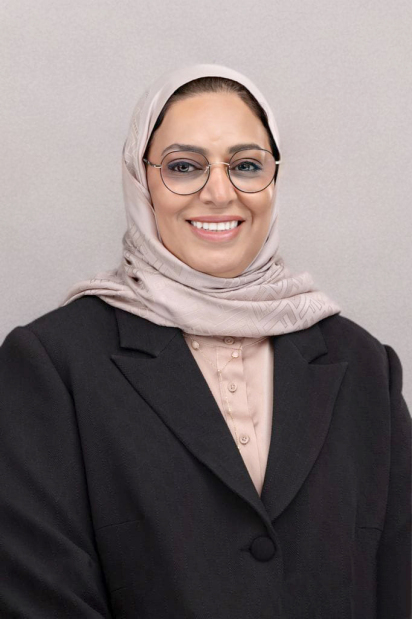
Dr Al Buarki
Busting the ‘age myth’, she went on to highlight that many women over 40 have healthy pregnancies and healthy babies. However, it is important to get informed, seek medical advice early and understand one’s options.
The IVF and ART expert warned that there is a higher risk of complications such as gestational diabetes, hypertension and pre-eclampsia after 40, in addition to an increased risk of miscarriage and chromosomal abnormalities as fertility declines.
Fertility naturally declines with age due to a decrease in the number and quality of eggs. However, a preconception assessment can help evaluate ovarian reserve, ovulation, the uterus, fallopian tubes and the partner’s fertility, Dr Al Buarki added.
“Egg age remains one of the most important factors in fertility. Having regular periods does not necessarily mean that fertility is normal.”
She revealed that fertility treatment is becoming more personalised, allowing doctors to tailor it according to patients’ age, ovarian reserve, medical history and embryo development.
Additionally, she highlighted that IVF has advanced significantly, particularly in embryo culture, egg and embryo freezing, genetic testing and laboratory technology.
“We are also seeing exciting developments in artificial intelligence and embryo assessment, but we need to distinguish between promising technology and treatments that have already been proven to improve live-birth rates.
“Nevertheless, new treatment options are being introduced in the field of fertility. Stem cell therapy is still under clinical trials, but I think it will provide a very strong option to reconstitute ovarian reserve in older women. Other options include retrieving the eggs left behind in the ovarian cortex while dormant. Very personalised and targeted protocols are needed to be used to awaken these eggs for ART treatment.
“Currently, freezing of eggs in younger ages is considered a realistic option for women who don’t have plans for immediate marriage. These eggs are stored in cryobanks until the owner is ready to use them.
“Another issue is the endometrial receptivity which is essential for conception. Surely a lot is happening in this lineage to improve the pregnancy success rates by optimising endometrial physiology during implantation window,” Dr Al Buarki added.
melissa@gdnmedia.bh
&uuid=(email))