

Commercial and residential properties may soon have energy efficiency ratings based on their actual consumption and green credentials … with the best glowing with gold.
The buildings will be assessed by the Sustainable Energy Authority (SEA) before they receive a rating with the aim of making the most cost effective attractive to buyers and tenants.
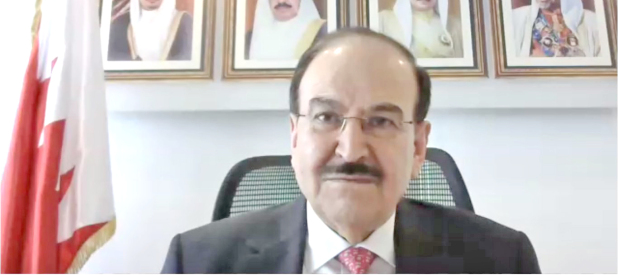
This was revealed yesterday by SEA president Dr Abdulhussain Mirza as he said Bahrain, like other countries, was attempting an ‘energy transition’ away from the sole use of fossil fuels.
“We are working on a project of labelling buildings based on their energy and water savings,” said Dr Mirza. “For example, we will rank the building gold or silver based on its energy conservation and this would raise the value of the property.”
He was speaking during a webinar yesterday organised by London-based Energy Institute, entitled: ‘Fostering a sustainable energy future post Covid-19’.
Dr Mirza spoke about measures being taken to diversify the energy mix towards low carbon alternatives.
He revealed that the kingdom was currently working on replacing 70,000 street lights and their 400,000 bulbs to LEDs as part of a structured plan to cut down on energy costs.
“We have strict rules in place, all government headquarters should use LED lights as it saves electricity, and our power stations are being upgraded with better turbines too.”
Dr Mirza told the participants the country was focusing on three types or renewables – solar, wind and waste-to-energy technologies – as part of a national strategy.
“There are already two solar panel factories based in the country, and we have 1.8 million tonnes of waste per year from different categories such as domestic, industrial and agriculture that can be converted into energy.”
Dr Mirza also highlighted a national electric cars strategy that is on track in collaboration with the Industry, Commerce and Tourism Ministry.
“We are moving towards the increased use of electric cars and for the first time in the GCC there are clear national strategies to adopt this mode of green transport,” he added.
“The Industry, Commerce and Tourism Ministry recently announced a set of specifications for electric cars, and we are seriously working on this now.”
Industry, Commerce and Tourism Minister Zayed Alzayani earlier this month said that the Testing and Metrology Directorate had started to receive applications for the registration of electric cars.
The ministerial decision to approve technical regulations for electric vehicles will come into force on July 29.
These green initiatives were among 22 steps proposed within the National Energy Efficiency Action Plan (NEEAP) that has set a target of 10pc of total energy consumption to be met through renewables by 2035, doubling the 5pc goal by 2025.
“Our conservative estimate is that the wide range of renewable energy will save the government around $600m yearly, and we have achieved 70pc of our target so far.”
He further stated the authority was already noticing the positive impact of the plan with a yearly drop in power consumption, citing the increased use of green energy and the removal of subsidies on power and electricity tariffs as evidence.
Dr Mirza said the peak load in 2017 was 3,527 megawatt (MW) which dropped to 3,437MW in 2018 and 3,443 MW the following year.
“The peak load used to go up between 6pc to 10pc each year but now it’s going down due to the energy mix of renewables,” he added.
Dr Mirza said Bahrain cannot immediately fully run on renewable energy, but said all GCC countries were heavily investing in green energy. “We will have and use oil and gas for many years to come, but the whole GCC will be spending much more on renewable energy in the future,” he said.
“There is room for everybody in this transition, but the drive will be for more clean energy.”
sandy@gdn.com.bh
&uuid=(email))