

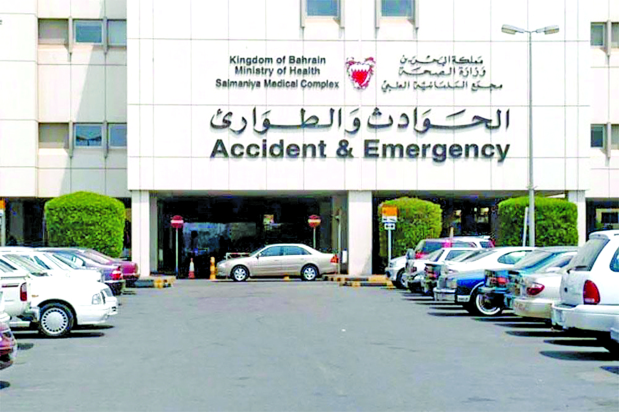
WAITING time for appointments at Bahrain’s main public hospital will be reduced as part of a “well-thought-out” strategy, according to a top medical official.
This will be done by increasing the number of appointments in the evenings and during weekends at Salmaniya Medical Complex (SMC), said Government Hospitals chief executive Dr Ahmed Al Ansari.
He added that the backlog of almost 9,000 radiology appointments will be cleared in the next five months.
Currently, on an average, 55 to 60 patients are seen every day.
The strategy, based on a study of the current status of health services, is aimed at providing comprehensive, qualitative and sustainable health care for everybody in the kingdom, said Dr Al Ansari in a statement yesterday.
“We started off with appointments for diagnostic services in the radiology department due to its importance as a supportive service for the basic services provided at the SMC,” he explained.
“This is the first phase of the strategy and has been applied to appointments for ultrasound and CT scans, starting last week (Sunday), at the rate of between 55 to 60 additional patients per day.
“This will help the current waiting list to be completed during the next five months, provided that rescheduling starts with the appointments of MRI and radiography during the second phase of the project in the next two months.
“This will be done in accordance with the capacity of the department.”
The GDN previously reported on various steps taken by SMC to address the concern over waiting time, which in the past had led to chaos in the premises that receives an average of 30,000 patients every month.
“The total number of patients on the waiting lists for radiology appointments stands at about 9,000, and work has been done to evaluate the current waiting period,” said Dr Al Ansari.
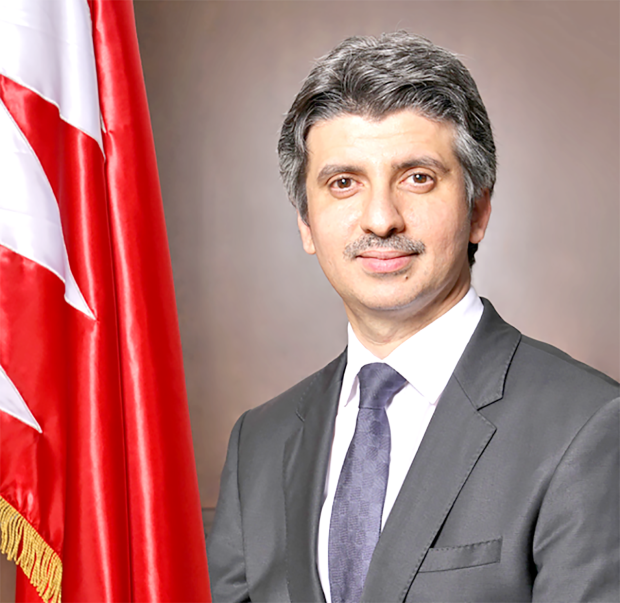
Dr Al Ansari
“Subsequently, a plan was prepared to reduce the waiting period and end the waiting lists by increasing the number of appointments for the evening period from 2pm to 7pm, and additional appointments on weekends.
“This will help in operating the department according to the maximum capacity in terms of technical devices and health cadres, while also taking into account the new appointments that are registered on a daily basis.”
Last month, the tertiary healthcare facility introduced a pioneering surgical procedure – 3D printing in skull transplantation at its neurosurgery unit – which is expected to reduce waiting time and cost for patients.
In June, it was reported that there has been a 78 per cent reduction in patient waiting time in the accident and emergency (A&E) department as of March this year.
The unit also saw 25pc fewer visitors in the waiting area and a 35pc reduction in the waiting time for a patient to see an emergency doctor, as announced by Dr Al Ansari.
He added that work was in progress to enhance the facilities at the emergency department which receives an average of 1,000 patients a day.
raji@gdn.com.bh
&uuid=(email))