

A NATIONWIDE crackdown against illegal sewage connections was launched as 38 violations were registered across Bahrain.
These included improper disposal of oils, lack of grease traps, illegal network connections and unlicensed operations.
Grease traps, also known as ‘grease interceptors’, are receptacles into which wastewater containing fats, oil and grease flows through before entering a drainage system, especially in residential areas with commercial outlets.
The crackdown is part of efforts to ensure Bahrain’s sewage networks operate in accordance with international environmental standards as well as to implement Law 33 of 2006 relating to wastewater and surface water disposal.
“The Works, Municipalities Affairs and Urban Planning Ministry has noted 38 violations since the judicial control system for sewage violations was implemented,” said the ministry’s sewage system operations and maintenance acting director Abdulnabi Al Kofi.
“These measures are within the framework of maintaining the facilities of the sanitation sector which includes sewage networks, treated water, pumping stations and treatment plants.
“This is in addition to seeking to raise the level of awareness among people of the need to adhere to the controls of proper use and its significant impact on efficiency and effectiveness of wastewater transportation and treatment.”
The GDN previously reported on August 30 that according to the ministry 6,046 instances of oil dumping were reported from January 1 to June 30.
The Capital Governorate topped the list with 1,975, followed by Muharraq Governorate (1,793), the Southern Governorate (1,516) and the Northern Governorate (762).
“The most prominent violations featured nine instances of direct disposal of prohibited substances (grease) into the network and six violations of non-compliance with installing grease traps,” said Mr Al Kofi.
“Most of these violations were concentrated in locations with cafeterias, restaurants and food preparation, and the necessary measures were taken.
“Fourteen violations involved working without a licence and without taking the approved preventive measures to protect the network while nine violations were related to the requirements of the sewage network connection mechanism.”
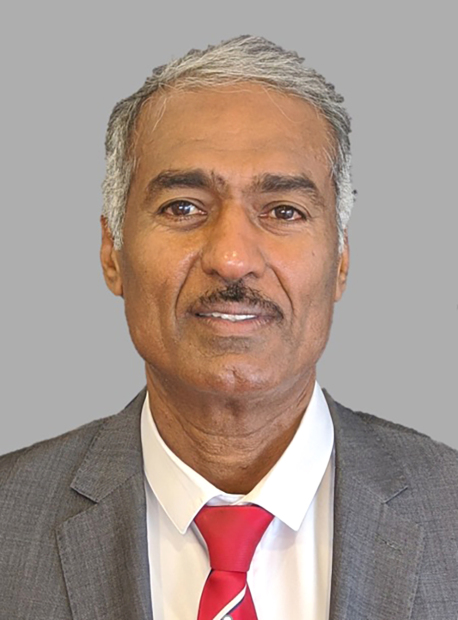
Mr Al Kofi
Mr Al Kofi also highlighted that the most important stipulations under the law were penalties, mechanisms to register the violations and necessary measures to undertake when referring cases to the Public Prosecution.
Once a violation was noticed a meeting is held with the violator, statements are taken and documented and corrective action within a specified timeframe is agreed upon.
“To ensure the commitment of the various facilities concerned in the optimal operation of the sewage networks, the ministry is collaborating with the Industry, Commerce and Tourism Ministry when renewing CRs for food manufacturing to ensure the installation of grease traps.
“In the case of severe violations that have a negative impact on networks and sanitation, an administrative order is issued to remove the violation and the violator will bear the costs of the removal carried out by the ministry.”
The law stipulates that it is not permissible to make connections to public sewage facilities or to drain surface water to sewage networks without obtaining a licence to do so.
According to Mr Al Kofi, the licence specifies the conditions applicable, the quality and quantity of materials allowed to be drained, locations and times allocated for public disposal into sanitary facilities.
“The law also stipulates that no person may dispose, throw, empty or allow the discharge or passage of materials whose nature or quantity may damage those facilities and their branches in addition to highly discolouring materials, petroleum alcohol, calcium carbide and yeast,” he said.
“It also includes refined molasses, radioactive materials, insecticides, fungicides, herbicides, rodenticides and fumigants.
“The law also prohibits the disposal of highly acidic or highly alkaline substances, industrial detergents, cyanide and sulfide compounds, tar, oils and grease and other materials whose concentration exceeds the percentages determined by a decision of the Works, Municipalities Affairs and Urban Planning Minister.”
The public can report any incidents to the sanitary emergency hotline on 80001810.
reem@gdn.com.bh
&uuid=(email))