

ESTRANGED couples who stop their ex-partners from visiting their children, or maintaining a proper relationship with them, could be jailed for up to three years or fined.
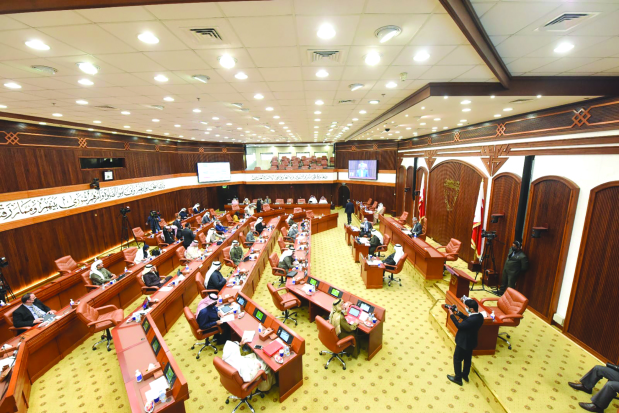
MPs yesterday unanimously approved new rules to ensure divorced parents are guaranteed access to their children.
The government-drafted insertion to the 1976 Penal Code, which will be now reviewed by the Shura Council following an urgent referral, aims to end cases of deliberate denial of visitation rights among separated parents.
It is aimed to ensure that the parent who moves out of the family home cannot be cut out of their children’s lives following an acrimonious separation.
“We have received several complaints from parents who have not been allowed to meet their children in person over the last two years,” Justice, Islamic Affairs and Endowments Minister Shaikh Khalid bin Ali Al Khalifa said.
“They have every right to see their children under proper health protocols and not through a video call.
“Covid-19 is exceptional and shouldn’t deprive parents of their emotional privileges.”
The minister also responded to objections by some MPs that it is unfair to punish parents.
“A family is protected through law, even if it’s disjointed,” he said.
“Regardless of the party at fault, someone is denying the rights of others and hence must be disciplined, there are no compromises here.”
The minister told MPs in writing earlier that it is a child’s right to have access to both parents.
“Children have psychological, emotional and social needs that require the presence of both their parents,” the minister pointed out.
“Unfortunately, and in several cases, either the father or the mother deliberately prevents the other – who doesn’t have custodial rights – from visiting their children.
“There are certain cases where a child’s welfare could be threatened by staying in touch with either their mother or father. However, such circumstances should be clarified and understood.
“Deliberate denial of visitation rights, with no valid reason, cannot however be accepted,” he said.
The move has been backed by the National Institute for Human Rights. However, the Supreme Council for Women has expressed concern over the proposal, terming the punishment as ‘harsh’.
mohammed@gdn.com.bh
&uuid=(email))