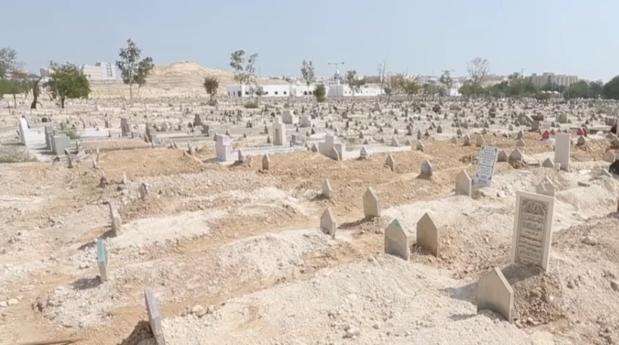
PEOPLE gathering at graveyards have been urged to follow the coronavirus (Covid-19) protocols as funerals are emerging as potential sources of infection spread.
The Sunni Waqf (Endowments) Directorate yesterday advised people to wear masks and gloves when visiting burial grounds.
The advisory, issued on the orders of Justice, Islamic Affairs, and Endowments Minister Shaikh Khalid bin Ali Al Khalifa, also emphasised social distancing.
“Based on the precautionary measures issued by the National Taskforce for Combatting the Coronavirus (Covid-19), there is a strict need to adhere to preventive measures during burial ceremonies in the midst of the pandemic,” said the Sunni Endowments Directorate in a statement.
“We emphasise our commitment to implementing the taskforce’s recommended social distancing measures while taking all preventive precautions, such as wearing masks and gloves, keeping a safe distance between mourners, and not shaking hands or hugging.”
Since early 2020, only male members from the close family of the deceased are permitted to attend the funeral rites at the graveyard, according to Covid-19 protocols.
However, over the months, the number of people gathering at the graveyards have increased as observed.
King Hamad Global Centre for Peaceful Coexistence member Salah Al Jowder suggested that people send e-condolences and use social media groups to share their grief.

Mr Al Jowder
“According to the regulations, the number of people allowed to attend the funeral rites is limited to men from close family, which is a good practice that we could continue to follow even after the pandemic,” he said.
“Whoever goes must follow the rules – the burial ground is a public space, like a mosque or a shopping mall, and we must adhere to all protocols.
“We must also make the most of social media, such as WhatsApp groups, to express our condolences, which I believe makes a lot of sense in these times.
“Overcrowding is an issue, and we must act responsibly and adapt to new norms.”
Sunni Endowments Directorate board member Aref Hejres proposed erecting barriers in graveyards to separate the families of the deceased from the mourners.

Mr Hejres
“The barrier can be short, like a meter away from the grieving family, so that people who want to meet them to share their condolences can do so,” he told the GDN.
“The directorate’s advice is good, but it is up to the people to make a decision.
“Covid, in my opinion, has taught us a valuable lesson – we should continue with our limited attendance at the burial grounds.
“When hundreds of people gathered in the past, each insisting on hugging and kissing family members, it used to take hours, and all the while the body was lying there – it is unsanitary, whether Covid or otherwise.
“This has now stopped which is good and we should continue with this system.
“I also think we should make it a culture – and we should not hug or kiss or shake hands, simply because it is unhygienic.”
Meanwhile, Bahrain follows international guidelines in burying bodies of Covid victims.
The US Centres for Disease Control and Prevention (CDC) believes there is little risk of contracting Covid-19 from a dead body, but it could spread from close family members via respiratory droplets produced when an infected person coughs, sneezes, or talks.
The CDC also suggests that only a few people attend the burial, with optional assistance from trained religious leaders and government personnel.
The family can prepare the body for burial while wearing gloves and a gown, using water and soap or a diluted chlorine solution. A waterproof gown, mask or N-95 respirator, and goggles or face shield are recommended while washing the body to prevent splashing of any body fluids. Family members can also observe the body while remaining socially distanced.
Bahrain has till date registered 1,397 Covid-19 deaths.
raji@gdn.com.bh