

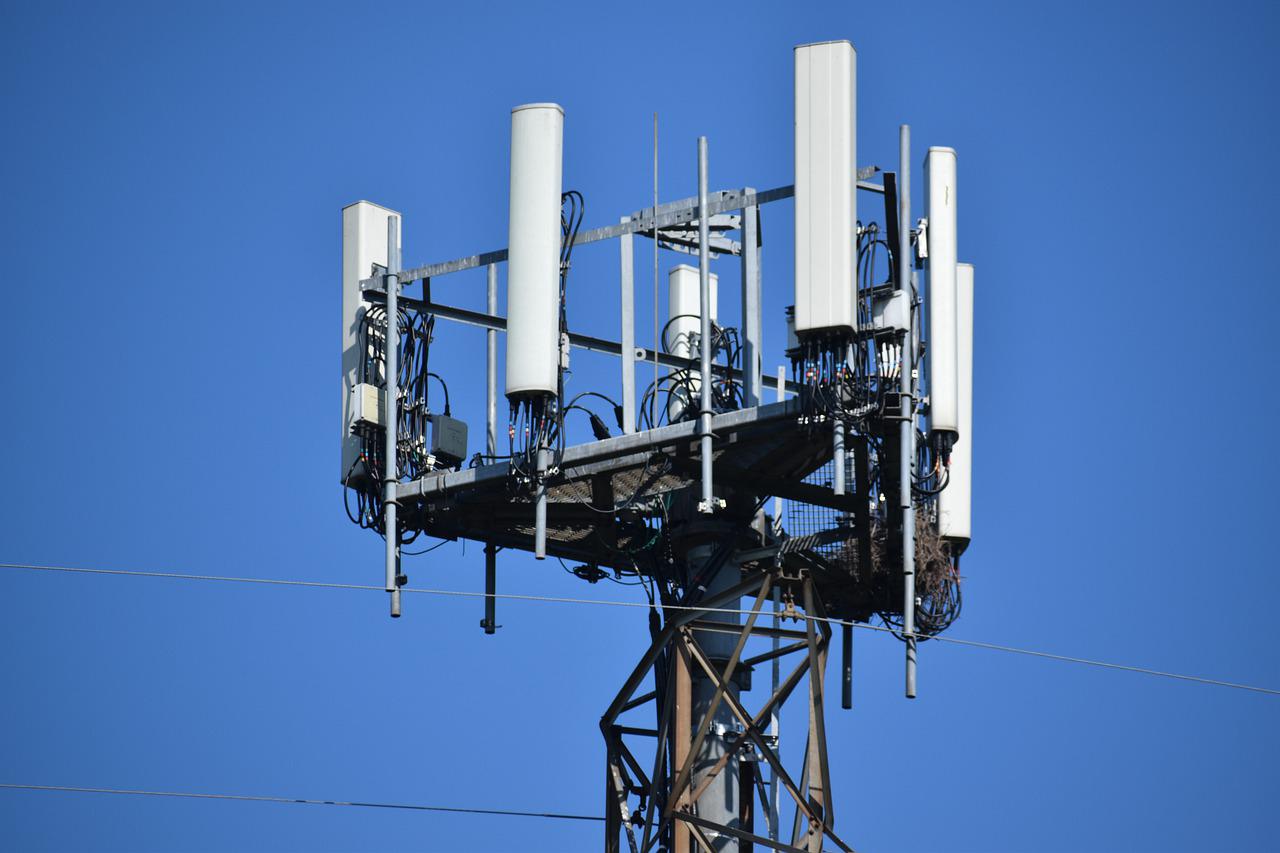
SINCE 2020, the global 5G deployment has become an integral part of the next generation high-speed Internet connectivity between devices and ICT infrastructure.
Due to the focus on Covid-19, the potential impact of 5G on the environment has pretty much been ignored.
There needs to be more due diligence on this with measures to protect the public and the environment since we are dealing much higher frequencies and volume of cell towers.
The 5G network increases energy usage among consumers, which contributes to climate change. Additionally, the manufacturing and maintenance of 5G technology creates waste and uses important resources that have detrimental consequences for the environment.
Whilst 5G developers are seeking to minimise environmental impact, there is still room for improvement. One worrying trend is the increase in atmospheric temperature and oxygen absorption by 5G. This impacts humans, plants and wildlife.
The leading telecoms will not halt 5G rollout so I believe that afforestation is one way to counter the environmental impact.
Although a major telecom company launched a wonderful initiative called ‘Trees for Life’ last year, we need more projects like this sponsored by the Supreme Council for Environment which can protect the environment and help adapt to climate change by reducing carbon emissions.
They should consider the large patches of bare land in Bahrain which can be suitable for afforestation. In addition, those plants and trees need to be deployed which can sustain the high temperatures and salinity whilst needing lower levels of watering.
This will also reduce pollution and enhance air purification in line with the government’s sustainable development strategy.
This strategy has already been used to make the UAE cooler and greener. Pakistan had a similar initiative called the Billion Tree Tsunami project in 2014.
Let’s work together to make Bahrain greener and safer.
Tanvir Ahmad
&uuid=(email))