

BAHRAIN has maintained its top ranking, for the sixth consecutive year – in combating human trafficking, according to a US State Department report released yesterday.
The Trafficking in Persons (TIP) Report 2023 placed Bahrain in the Tier 1 status – the only GCC and Arab nation recognised as being fully compliant with the Trafficking Victims Protection Act’s (TVPA) minimum standards for elimination of human trafficking.
The 23rd edition of the annual report features narratives on 188 countries and territories and covers the period from April 1, 2022 to March 31, 2023.
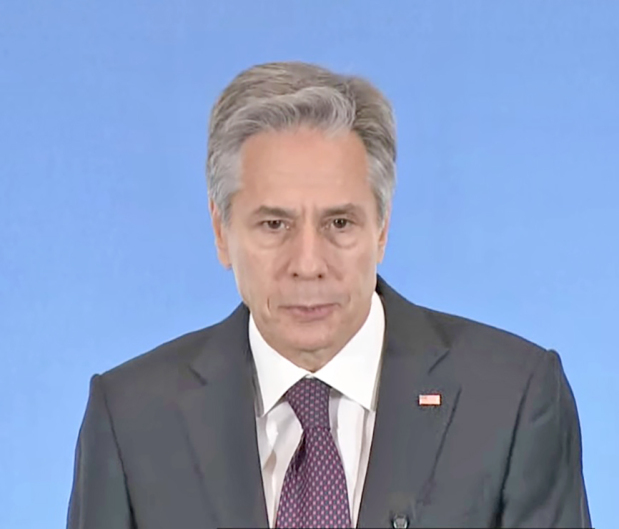
US Secretary of State Antony Blinken, who released the report, praised Bahrain for demonstrating “serious and sustained anti-trafficking efforts”.
“These efforts included investigating more labour trafficking cases and continuing to prosecute and convict labour traffickers; it also referred more cases that originated as labour violations,” said the report.
Bahrain is the only Gulf country with the Tier 1 status, with four others placed in Tier 2 and Kuwait on Tier 2 Watchlist.
View this post on Instagram
The document acknowledges that the Interior Ministry, during the reporting period, investigated 42 cases (involving 59 alleged traffickers) – eight for sex trafficking and 34 for forced labour – compared with 44 cases (26 sex trafficking and 18 forced labour) probed in the 2022 TIP report.
Among the highlights are:
- Three alleged labour traffickers were prosecuted, compared with two in 2021. Two of these cases remain under investigation.
- Only 16 alleged sex traffickers were prosecuted, a significant drop compared with 54 cases in 2021 and 27 in 2020.
- Courts convicted 13 sex traffickers, compared with 50 during the previous reporting period, and sentenced them to between one to 10 years’ imprisonment and fines. In addition, two labour traffickers were found guilty, same as in the last report.
- Twenty-two female sex trafficking victims were identified, which included five labour trafficking victims, compared with 33 victims (29 adult female trafficking victims, two child sex trafficking victims and two victims of labour trafficking) in the previous report. Separately, the government assisted 182 potential labour trafficking victims, including 177 males and five females – all foreign nationals.
- The Labour Market Regulatory Authority (LMRA) reported 40 potential trafficking cases that were referred to the Public Prosecution including one which resulted in the prosecution of an alleged trafficker. In comparison, the watchdog referred nine potential forced labour cases to law enforcement agencies in 2021.
“The government required convicted traffickers to pay all costs associated with the repatriation of victims and planned to deport all non-Bahraini traffickers upon completion of their sentences,” added the report.
It added the government increased efforts to protect victims of human trafficking identified by the courts with basic needs including a stay at the LMRA-run Expat Protection Centre in Sehla, counselling and medical care, among other services.
Sixteen of the 22 identified female sex trafficking victims, all five labour trafficking victims and 54 of the 182 potential labour trafficking victims were provided with food, clothing, religious support and other services.
The remaining 128 potential labour trafficking victims did not stay at the shelter but were assisted in their legal cases and repatriation support, while the remaining six female sex trafficking victims stayed at their respective embassies or community networks.
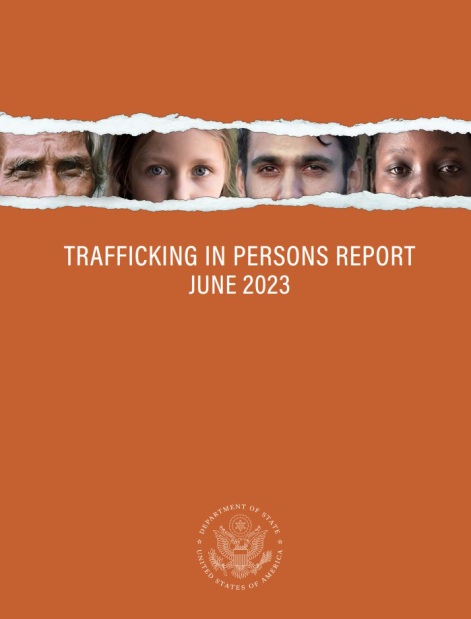
The cover of the latest report released by the US State Department last night
None of the above trafficking victims accepted job placement offer by the Bahrain government, said the report.
“The government provided all official trafficking victims who remained in Bahrain for the duration of their trial with BD1,131 in assistance, in addition to a monthly allowance of BD93 via its Victim Assistance Fund.”
Furthermore, 19 sex trafficking victims were repatriated pre-trial to their countries of origin at the victims’ request, with the Public Prosecution representing these individuals in absentia during the court proceedings.
The remaining three victims remained in Bahrain at the close of the reporting period.
The kingdom has constantly moved up in the annual assessment, from being in Tier 3 in 2011 to maintaining a Tier 1 rating since 2018.
The report categorises countries into four sections as mandated by the TVPA, which is the American law against human trafficking.
Tier 1 nations fully meet TVPA standards, while Tier 2 and Tier 2 Watchlist nations do not fully comply with the minimum standards for the elimination of trafficking, though making significant efforts to do so.
Countries not complying with the minimum standards are placed in Tier 3 and subjected to certain US sanctions.
The report explained that the government-run national trafficking hotline (995) received 14,169 calls during the year but a non-governmental organisation reported to the authorities that the hotline at times went unanswered and did not provide services in Tagalog, despite many Filipino workers in Bahrain.
The report noted that the LMRA received 3,254 phone calls of passport retention; with the authority helping retrieve and return 3,844 passports to migrant workers last year.
Another issue mentioned was non-payment of wages to expats despite the Wage Protection System – the final phase of which was launched last year – mandating bank transfer of wages by companies. It does not cover domestic workers though 2,760 employers have voluntarily signed up to the system.
“As of January 2023, the government had not pursued any penalties against employers for non-compliance and noted it preferred to continue education for employers – especially small enterprises, which comprise the majority of businesses in Bahrain – instead of penalising them.
“Delayed and non-payment of wages continued to be a common practice; the LMRA reported it received 1,034 claims of unpaid wages from workers during the year.”
During the reporting period, 62 migrant workers employed by a construction company in Bahrain said that beginning in January 2021 the company owed six to 12 months of wages to the workers and end-of-service benefits; as of November 2022, the government had frozen the company’s assets, but the workers remained without their salaries or other benefits.
In addition, the report highlighted that there was no announcement of a reported policy change that would allow domestic workers to switch employers without their consent following the end of their contract.
Elaborating on the challenges related to domestic workers, the report shed light on the plight of labour inspectors who were unable to conduct announced inspection of households to probe abuse allegations, further backing civil societies’ claims that housemaids run away from their employers to escape from the situation and eventually become undocumented.
“Employers reported 1,585 ‘absconding’ cases against workers during the reporting period – including 801 against domestic workers,” said the report.
It further puts the limelight on unscrupulous employers and individuals including expats who live in Bahrain who use social media, free visa scheme to lure workers under false pretences of high-paying jobs in the hospitality and domestic worker sectors, and later force them into sex trafficking.
The report also highlighted that nationals of countries without diplomatic or consular presence in Bahrain, mostly from African countries, were particularly vulnerable to trafficking.
The report recommended that the Bahrain government step up screening protocols by all frontline officials, increase efforts to investigate, prosecute and convict traffickers, provide even potential trafficking victims access to the government shelter and ensure non-contract registered workers have access to justice and grievance mechanisms.
It added that a domestic worker must sign a contract in his or her own language and in the presence of a labour official to avoid contract substitution upon arrival.
sandy@gdnmedia.bh
&uuid=(email))