

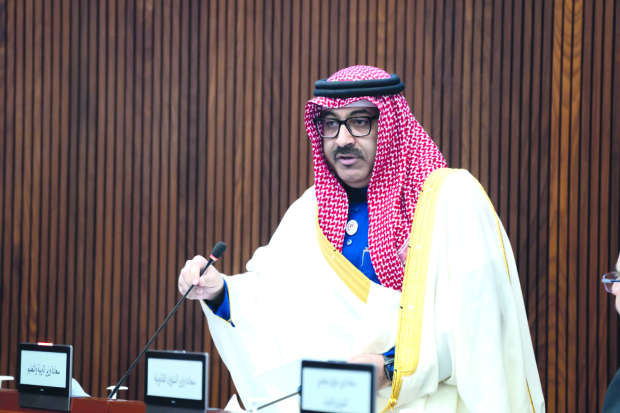
FAMILY education curriculum at schools is set to be expanded to focus on Bahraini values, child development and marriage preparedness.
Education Minister Dr Mohammed Mubarak Juma said there were plans to modernise the “Childhood (Family 2)” curriculum to include new topics that reflect contemporary family needs, child development and national values.
He explained that the initiative was part of a broader strategic plan to integrate family education across academic levels and promote student awareness of marital life, emotional development and societal cohesion.
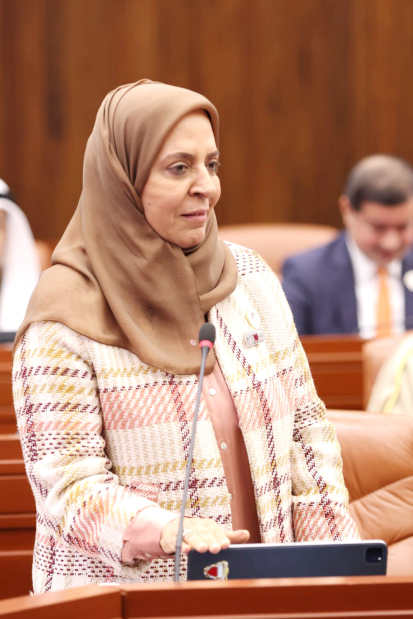
Dr Kooheji
In a written response to a question from Shura Council member Dr Fatima Al Kooheji regarding the integration of marriage and family life concepts into the educational system, Dr Juma pointed out to the ministry’s ongoing efforts to enhance family awareness through both curricular and extracurricular programmes.
The revised “Childhood (Family 2)” textbook will feature three expanded chapters:
- The Bahraini Family and Its Preservation: This will cover characteristics of Bahraini society, family structure and roles, marriage planning and the stages of pregnancy.
- Postnatal Period: This will focus on newborn care, infant nutrition, common childhood illnesses and early caregiving.
- Physical and Psychological Care: This will explore first aid, the psychological development of children in their first five years and behavioural skills essential for early childhood.
“These additions reflect our belief in preparing students not only academically, but emotionally and socially for future family life,” said Dr Juma.
“By focusing on the first five years of a child’s life, we aim to foster empathy, responsibility and a deep understanding of what it means to build a healthy family.”
The minister noted that the concept of the family lies at the heart of Bahrain’s educational philosophy and stems from constitutional principles that define the family as the foundation of society.
“Our curriculum is aligned with Article 5 of the Constitution, which protects and nurtures motherhood and childhood. We are committed to embedding these values from the earliest stages of schooling,” he explained.
In addition to the dedicated family education curriculum, core subjects such as Islamic education, citizenship, Arabic language and social sciences incorporate themes related to family ties, fairness, dialogue, understanding and forgiveness.
“These subjects collectively reinforce ethical values and instill a sense of responsibility in students,” said Dr Juma.
He also stressed that the ministry was pursuing comprehensive reforms across all subjects, particularly in family education.
“We regularly update our curricula to reflect societal needs and modern challenges.
“This includes launching new courses, integrating digital learning platforms for interactive content and collaborating with community stakeholders.”
He said family education is now taught from Grade Four onward in government schools for both boys and girls, with two weekly sessions.
“The curriculum evolves from basic home and organisational skills to advanced concepts such as budget management, child care and building a stable family.
“High school students study specialised courses such as:
- “Life Skills (Family 1)”, which focuses on financial planning and family economics.
- “Childhood (Family 2)”, which covers child development from birth to early childhood.”
The minister said these programmes are not only academic; they are life preparation tools.
“We want students to enter adulthood with a grounded understanding of the responsibilities and dynamics of family life.”
Dr Juma underscored the ministry’s commitment to teacher training as a critical pillar of the programme’s success.
“We work closely with the Bahrain Teachers College to ensure our educators are equipped with the skills to guide students effectively in family-related subjects,” he said.
“Training initiatives include professional diplomas in education, specialised workshops, induction programmes for new teachers, and continuous development for instructors of family education.
“The ministry also promotes family awareness beyond the classroom through community engagement programmes.”
He added that these include public lectures, workshops, competitions and awareness campaigns that bring together students, parents and educators.
“One such initiative, the ‘Mithaq’ programme, is run in co-operation with other ministries and civil society organisations to strengthen national identity and family cohesion,” said Dr Juma.
He expressed appreciation for Dr Al Kooheji’s interest in youth and family development, affirming the ministry’s commitment to ongoing co-operation with the legislative authority.
“We value the constructive partnership between the education sector and legislators,” he said.
“Together, we can shape a generation that is well-prepared for the demands of modern family life and dedicated to the well-being of the nation.”
mohammed@gdnmedia.bh
&uuid=(email))