

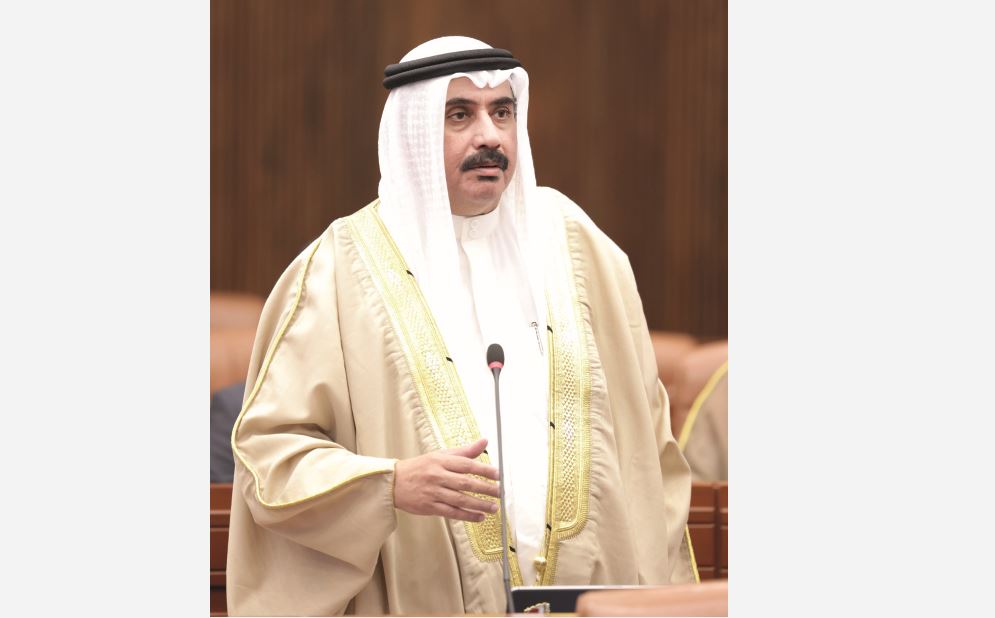
A comprehensive renewable energy law that seeks to reshape Bahrain’s energy landscape is set for a vote during the Shura Council’s final session of the term tomorrow.
The proposal by five members led by services committee vice-chairman Talal Al Mannai outlines the mechanisms for producing, connecting and regulating renewable electricity systems – especially solar, wind and biogas – in Bahrain.
“This draft law represents a critical step forward in fulfilling Bahrain’s sustainable development goals and supporting our vision for a greener, more energy-secure future,” said Mr Al Mannai.
“We are determined to build a comprehensive legal framework that allows the private sector, local companies and individuals to invest confidently in renewable energy.”
The law defines key concepts such as renewable energy, feed-in tariff and interconnection agreement, laying the foundation for producers – both private individuals and commercial entities – to connect their renewable energy units to the national grid under clear technical and legal standards.
It outlines nine primary objectives, including rationalising electricity consumption, encouraging renewable energy production, diversifying Bahrain’s energy sources, reducing carbon emissions and supporting local industry and employment.
It also empowers the Electricity and Water Affairs Ministry to develop strategies, policies and national standards, and mandates the Electricity and Water Authority (EWA) to set connection conditions, monitor producers and issue renewable energy certificates.
Mr Al Mannai stressed the law’s economic significance.
“By allowing self-consumption and surplus electricity sales, we are empowering consumers and local producers,” he said.
“This initiative is not only about protecting the environment, it’s about creating jobs, driving investment and modernising our infrastructure.”
The draft includes provisions to:
l Establish an electronic platform showcasing investment opportunities and approved companies.
l Promote local manufacturing and installation firms.
l Issue technical guidelines for consumers and consultants.
l Prioritise Bahraini companies in public renewable energy projects.
“Incentivising local businesses and giving them priority in implementation reflects our commitment to national economic growth,” Mr Al Mannai added.
The explanatory memorandum ties the proposed law directly to Bahrain Economic Vision 2030, stating that renewable energy is ‘a key axis in achieving a diversified, resilient economy’.
The law also reinforces Bahrain’s commitments to international agreements such as the Paris Climate Agreement, the United Nations Sustainable Development Goals and regional GCC renewable energy initiatives.
“Bahrain has pledged to reach carbon neutrality by 2060,” Mr Al Mannai noted. “This law is a cornerstone in achieving that goal. It aligns our legislative framework with international best practices and positions Bahrain as a regional leader in clean energy.”
The proposed law is designed to reduce electricity bills, increase energy independence and alleviate strain on the national grid.
“We are making it easier for homes and businesses to instal solar panels or other renewable systems,” Mr Al Mannai said. “This not only saves money for consumers but also reduces the government’s spending on electricity production from fossil fuels.”
The draft also encourages the integration of renewable energy into electric vehicle infrastructure and outlines clear procedures for approval, connection and inspection of renewable energy units.
“This is not just a technical law – it’s a vision for our energy future. It ensures our children inherit a cleaner environment, stronger economy and energy independence.”
Members will vote to refer the proposed law on renewable energy to the public utilities and environment affairs committee for review.
mohammed@gdnmedia.bh
&uuid=(email))