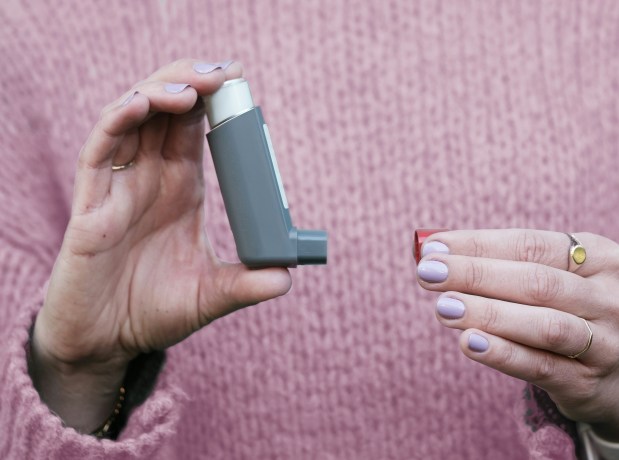
People living with asthma suffered a significant rise in disruptions to daily activities following the Covid-19 pandemic, a regional medical study has shown.
The plan is now to provide sufferers expanded telehealth services and offer more advice on medication and controlling the condition.
‘The Effect of Covid-19 on Asthma Control’, published in last month’s Bahrain Medical Bulletin, aimed to investigate the impact of the pandemic on management of asthma by examining hospital admission rates, frequency of symptoms and the utilisation of medication.
It was conducted by a group of medical experts and students from Jeddah’s Fakeeh College for Medical Sciences and Doctor Soliman Fakeeh Hospital, including Basma Ibrahim, Afnan Essam, Ayat Tawfik, Ghada Obaid, Renaad Alshamrani, Shehad Bagdood, Rothana Alhadrami and Khawlah Abdulrahman.
It gathered data from 200 participants, 172 of which were female (86.4 per cent) and the remaining 28 being male. Out of that, 12 suffered from hypertension, six from diabetes mellitus, three from both chronic illnesses, and two from ‘other conditions’.
“The combination between Covid-19 and asthma represents a great challenge for doctors and authorities,” the study said. “Asthma has been identified as a possible risk factor for severe Covid-19, similar to many viral disorders that damage the lungs.
“During lockdown, asthmatic patients suffered from accelerated attacks due to excessive use of asthma triggers in closed places, including detergents and sterilisers, in addition to psychological stress.
“This study sought to examine the impact of the pandemic on asthma patients and how they managed the disease.”
The study was divided into two sections, Before Covid-19 and After Covid-19.
In terms of admissions, 24 participants (around 11.6pc) were hospitalised before the pandemic for bronchial asthma, while only half of that (12 participants, around 6pc) were admitted after.
Around 63 participants (31.2pc) used drugs and medication to treat the disease prior to the pandemic, including 26 using inhalers (13.1pc), 26 using Ventolin (13.1pc) and 11 using multiple medication (5pc).
Post-pandemic, this number slightly went down to 60 participants (29.7pc), including 28 users of inhalers (14.1pc), 21 for Ventolin (10.6pc) and 11 using multiple medication (5pc).
As for frequency of using medication, 26 (12.6pc) said they used it once a week or less prior to the Covid-19 pandemic, while 20 (10.1pc) used it two to three times a week, 22 (11.1pc) used it one to two times a day and 16 (8pc) used it three times per day or more.
There was an increase in use of medication following the pandemic, with 23 (11.1pc) using it once a week or less, 21 (10.6pc) using it two to three times a week, 34 (17.1pc) using it up to twice a day, and 19 (9.5pc) using it thrice a day or more.
Meanwhile, 92 participants (46pc) reported suffering from disruptions to daily activities following the pandemic, up from 72 (26pc) prior to the epidemic.
In total, 29 stated they suffer disruptions ‘a little of the time’ (down from 32 before the pandemic), while 30 experience them ‘some of the time’ (an increase from 22), 26 experience them ‘most of the time’ (up from 15) and nine suffer ‘all the time’ (up from three).
Finally, participants also noted an increased frequency of shortness of breath compared to before the pandemic.
A total of 32 participants said they experience this ‘once or twice a week’ (down from 37 before the pandemic), 17 said ‘three to six times a week’ (slight increase from 15), 21 said ‘once a day’ (up from 12) and 33 said ‘more than once a day’ (up from 19).
“The pandemic has caused a substantial decrease in hospitalisations for asthma and has heightened disruptions to daily activities,” the report concluded. “Simultaneously, the occurrence of asthma symptoms has increased, despite the consistent use of medication.
“It is therefore imperative to strengthen the existing support systems for asthma patients, expand telehealth services and educate patients on medication adherence and asthma control.”
nader@gdnmedia.bh