

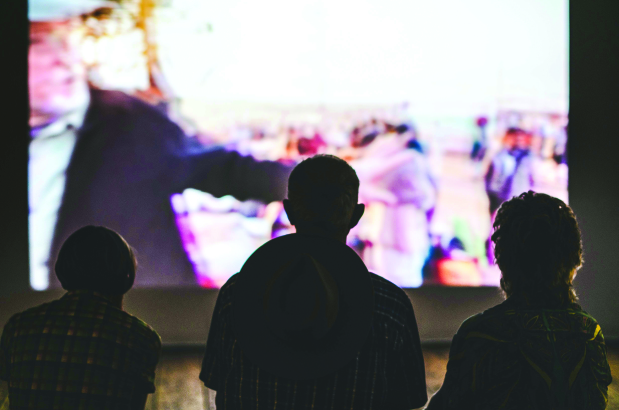
Bahraini filmmakers are reshaping their content to evolving viewing habits and calling on cinemas to also adapt, as audiences are shifting away from going to theatres.
Short form and ‘over-the-top’ Internet-delivered streaming content in the comfort of one’s home or on the go is quickly outpacing cinema, and while some cinephiles mourn the loss of the experience of watching a film on the big screen, filmmakers are adapting their narratives and styles to smaller screens.
“The advent of streaming and how films have become accessible in a post-pandemic world has put off a contingent of people from catching films on the big screen,” Bahraini filmmaker and critic Ahmed Zayani told the GDN.
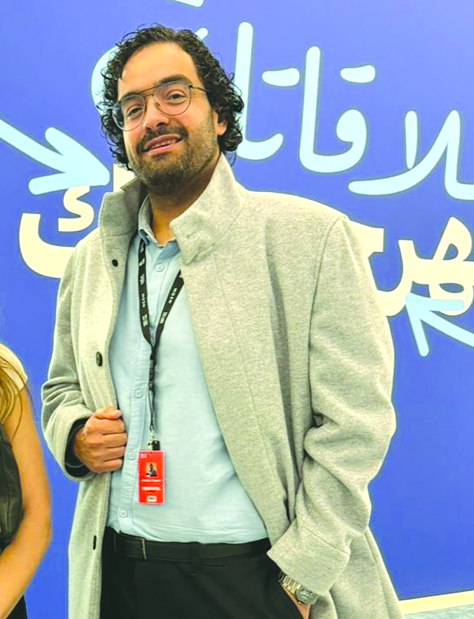
Mr Zayani
“Back in the day, a film would usually enjoy a theatrical window of three to four months before it found its way onto home media.
“More recently, that window has shrunk to around three weeks, with some films getting a release sooner if their box office numbers did not prove to be up to par.”
According to statistics published by the Bahrain Cinema Company in May, cinema attendance in the kingdom has fallen sharply over the last decade, with new data showing a nearly 90 per cent drop in visitors between 2013 and 2023.
While 2013 saw a peak of more than 4.38 million admissions, the number dropped to just 485,200 in 2023.
During the Covid-19 pandemic, the decline was steep from 1.2m cinema-goers in 2019 to only 178,500 in 2020, marking an 85pc fall, although 2022 saw a partial recovery to 525,000 visitors, before slipping again in 2023.
Local filmmakers say the shift is part of a larger transformation in how people engage with visual storytelling, driven by streaming services, social media, and changing audience habits.
Some are even finding that it levels the playing field and allows them to distribute their films internationally.
“As a Bahraini filmmaker who’s had the opportunity to distribute projects like Becoming the Queen of the North and The Stars Align on global platforms, I see the shift towards OTT as a major turning point,” UK-based Bahraini filmmaker Aziz Altamimi added.
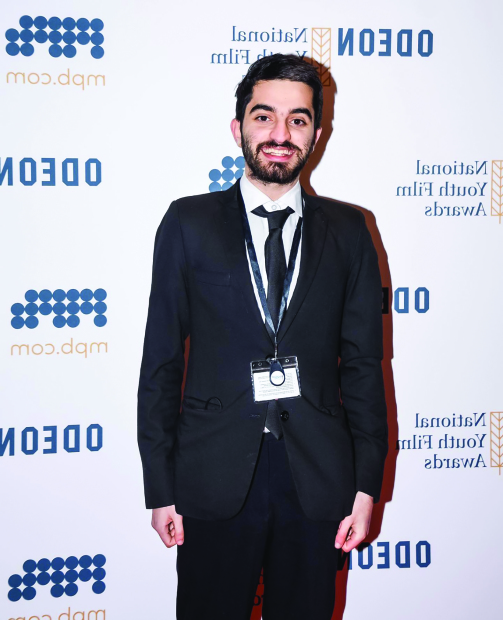
Mr Altamimi
“These platforms gave my work a visibility I simply wouldn’t have had through traditional cinema alone.”
However, Mr Altamimi noted that while the platforms are more inclusive in theory, discoverability remains a challenge.
“These platforms work on algorithms, not merit alone,” he added. “Unless your content is pushed or discovered, it risks being buried.”
Bahraini producer and founder of Paradox Films Yousif AlSahhaf noted that viewing behaviour has also changed.
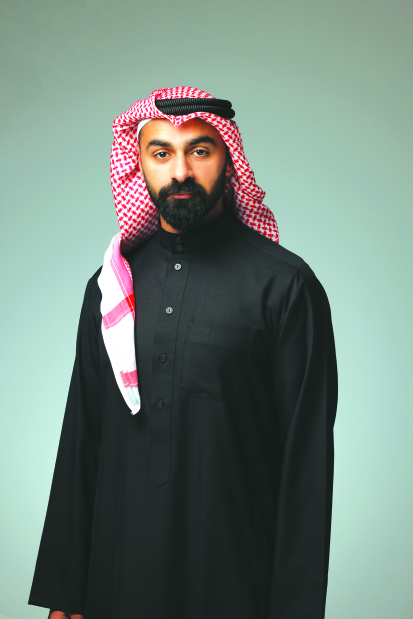
Mr AlSahhaf
“People engage with video differently. They view it as content now. They feel like they don’t need to see the whole story,” he said.
“Filmmakers now often create short films as proof of concept for features, and series have become shorter with more emphasis on cliffhangers to retain viewership.”
He still values the unique cinematic experience but acknowledged that convenience and fragmented viewing on platforms like TikTok and Instagram Reels have become the norm.
This has also led to new opportunities.
According to Mr AlSahhaf, streaming and social media have made foreign films more accessible, exposed people to diverse cinematic styles, allowed them to discover films through short clips and enabled viewers to watch international content with subtitles.
Even among cinema-goers, habits have shifted.
Mr Zayani said that while some audiences remain loyal, particularly for major blockbusters, many have moved away from theatres due to cost and convenience.
“The rising cost of living puts a strain on cinema-goers, with many viewing it as a luxury,” he added.
Mr Zayani also pointed to the closure of iconic venues like Saar Cineplex and Novo Cinemas as contributing factors.
“We lost our last remaining stand-alone cinema that wasn’t attached to a mall,” he said. “There was something special about venturing out to that place knowing you were there for one specific goal – to watch movies.”
Mr Zayani has created the movie club ‘Nerdvana’ as a way of preserving the social cinema experience.
“With Nerdvana, we attempt to showcase a number of films from days gone by, whether they be essential masterpieces or overlooked hidden gems,” he added.
Filmmakers say there’s still a path forward for cinemas, if they adapt.
“Cinemas need to create experiences, not just screenings,” Mr Altamimi said, suggesting curated nights, local showcases, and community events.
“The cinema and streaming world can coexist if both focus on what makes them unique.”
Mr AlSahhaf highlighted the need for supporting local content on the big screen.
“What I’d really love to see is more opportunities for local and regional films to be screened in cinemas, potentially through monthly or bi-monthly special screenings that can help filmmakers get feedback and increase visibility,” he added.
Mr Zayani agrees, adding that cinemas should consider reducing prices and offering discounts to students and the elderly.
When asked how he would change cinemas if given the opportunity, he added, “I would get the ball rolling on a membership scheme similar to those offered internationally at AMC and Regal (American movie theater chains).
“Furthermore, I would set aside a screen to showcase classical films and earmark a day to screen locally made productions, with those involved in attendance.
“I would also include interactive midnight screenings, the likes that draw massive crowds to watch films like The Room.”
naman@gdnmedia.bh
&uuid=(email))