

SHARES dipped yesterday after a blowout jobs report fuelled bets of a rate hike by the US Federal Reserve and as investors turned defensive ahead of the weekend, wary of the flare-up in Middle East hostilities.
On Wall Street, all three indexes were lower, led by a selloff in technology shares, including AI chipmaker Nvidia. Shares in Broadcom were down nearly 5 per cent, continuing losses since the semiconductor company reported underwhelming results on Wednesday.
The Dow Jones Industrial Average eased 0.17pc, the S&P 500 lost 0.85pc and the Nasdaq Composite dipped 1.58pc.
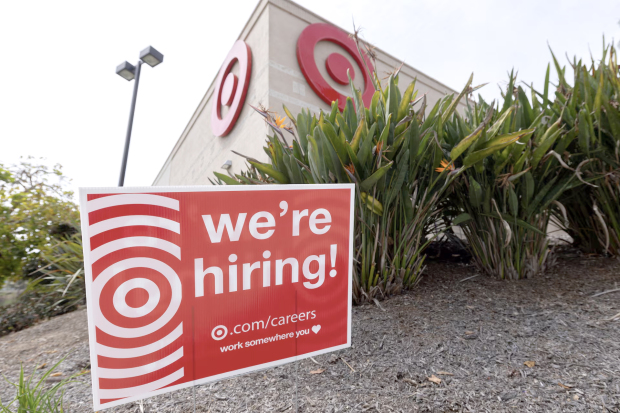
Data showed US employers added far more jobs than expected in May, bolstering bets that the Fed could raise rates late this year.
US Treasury yields surged following the report, with the yield on the 2-year note, which typically moves in step with Fed rate expectations, hitting a 15-month high. It was last at 4.153pc.
“We’re talking about a strong economy,” said Gary Schlossberg, market strategist at Wells Fargo Investment Institute.
“That just adds to inflation risk coming from the Gulf. It makes it difficult for the Fed to even think about rate cuts and might even increase the chances – although we’re still not forecasting that yet – of a rate hike by the Fed before the end of the year against the backdrop of inflation.”
The pan-European STOXX 600 index eased 0.06pc. MSCI’s gauge of stocks across the globe fell 1.07pc.
Oil prices slipped after Oman said operations at Mina al Fahal port were proceeding normally following a Reuters report that oil loadings had been suspended after an explosion.
Brent crude futures fell 1.2pc to $93.84 a barrel and US crude dipped 1.9pc to $91.22 per barrel, with both contracts set to post their first weekly gains in three weeks.
In currencies, the yen settled around the 160 per dollar level and was last down 0.14pc at 160.21, as Japanese officials ramped up warnings about the ailing currency, keeping traders on alert for further intervention from Tokyo. Data yesterday showed Japan’s foreign reserves fell by $77 billion in May.
The euro was down 0.47pc at $1.1555. Sterling weakened 0.26pc to $1.3385.
The dollar index was on track to gain nearly 1pc, supported by the Middle East conflict.
Cryptocurrencies extended recent declines, with bitcoin shedding 4.02pc to $61,033.60 and heading for a weekly decline of nearly 18pc, its biggest since the week FTX collapsed in November 2022, while ether declined 8.6pc to $1,620.26.
Meanwhile, stock markets in the UAE closed higher yesterday, with Dubai outperforming its regional peer despite fading hopes for a diplomatic breakthrough in the US-Israeli conflict with Iran.
Dubai’s main share index rose 0.9pc, supported by gains in industrial and utilities sector stocks.
Toll operator Salik Company jumped 1.6pc, while Emirates Central Cooling Systems increased 2.5pc.
Abu Dhabi’s benchmark index settled 0.3pc up, with the largest utility firm Abu Dhabi National Energy advancing 6.2pc.
Alef Education gained 1pc after the firm completed full migration of its digital learning ecosystem to Microsoft Azure with Core42’s sovereign cloud capabilities.
&uuid=(email))