

A DEBATE in the Shura Council on a renewable energy bill has ended in a stalemate.
The draft law has now been sent back to the chamber’s public utilities and environment affairs committee for further study.
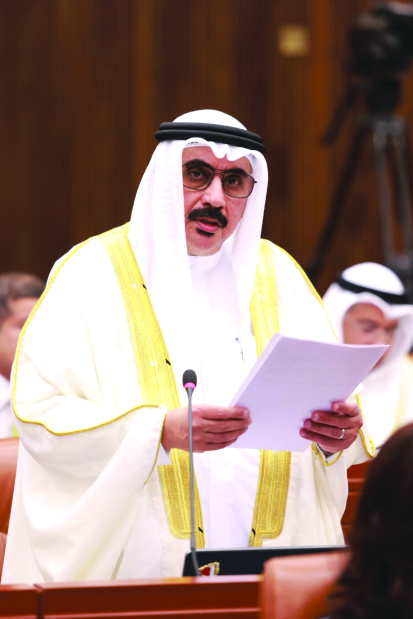
Mr Al Mannai
The move, submitted by five members led by services committee vice-chairman Talal Al Mannai, sought to establish a comprehensive legal framework for renewable energy, encourage private investment and ease long-term pressure on the national electricity grid.
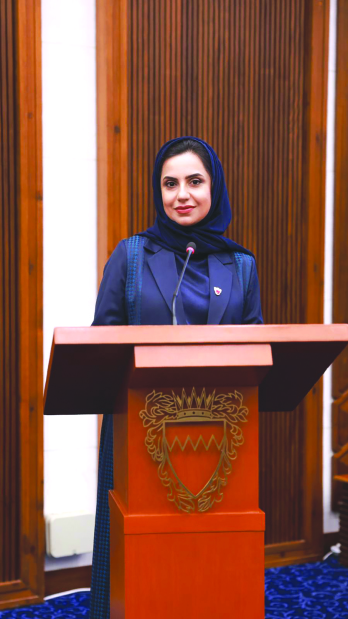
Ms Bubshait
Public utilities and environment affairs committee rapporteur Ejlal Bubshait said the proposal aimed to enhance Bahrain’s ability to expand clean energy production and cut reliance on fossil fuels, supporting Bahrain’s carbon neutrality targets.
Under the draft law, anyone wishing to connect a renewable energy unit to the electricity distribution network must first obtain approval from the Electricity and Water Authority, subject to technical standards set by the minister to prevent disruptions to the grid.
Several members expressed reservations over the move.
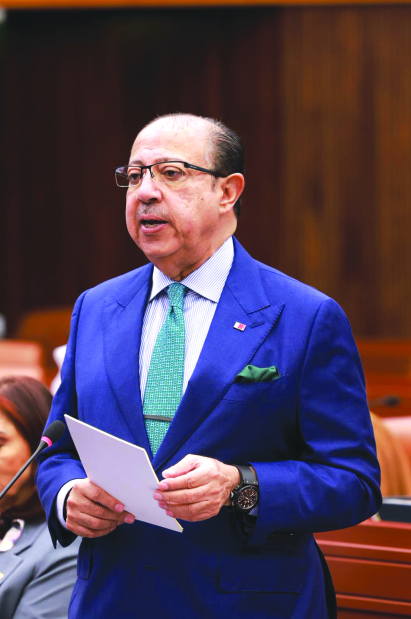
Mr Al Maskati
“Bahrain is moving towards a mixed energy model with at least 20 per cent clean energy by 2030,” said Shura Council financial and economic affairs committee chairman Khalid Al Maskati during the chamber’s weekly session yesterday.
“But Customs and VAT revenues remain important, especially as five major renewable energy projects are already underway. Investment companies may receive Customs exemptions, but VAT is still applied, and this needs clear alignment,” he added.
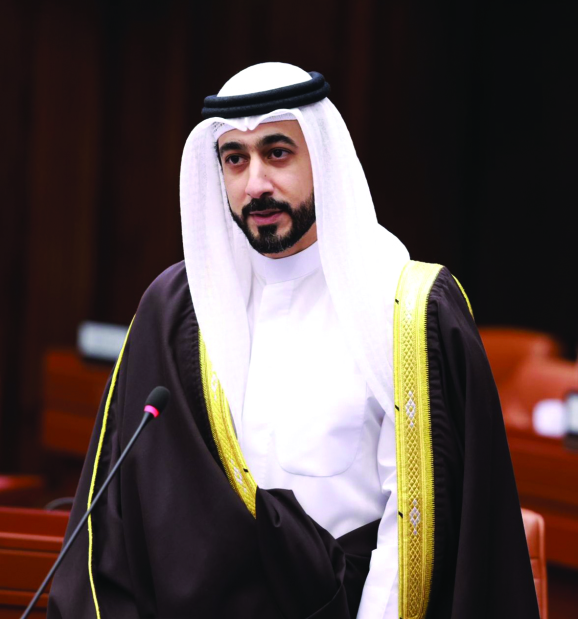
Dr Albinmohammed
Member Dr Bassam Albinmohammed stressed the need for a full financial and economic impact study.
“The proposal is important and aligns with global energy diversification. But the financial committee cannot give a precise opinion without data. Any draft law of this nature must include a clear economic impact assessment before moving forward,” he pointed out.
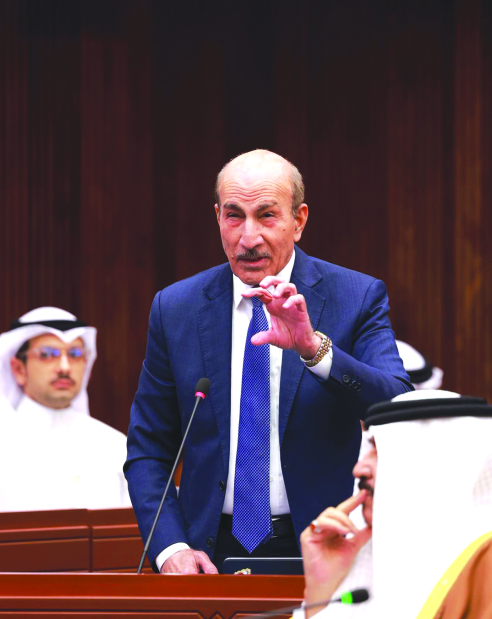
Dr Abul
Member Dr Abdulaziz Abul warned of contradictory provisions regarding household use of renewable energy systems.
“If citizens are expected to benefit directly in their homes, this should not be tied to ministerial approval. Linking personal use to the minister’s authorisation creates unnecessary bureaucracy,” he stressed.
However, several other members supported the bill.
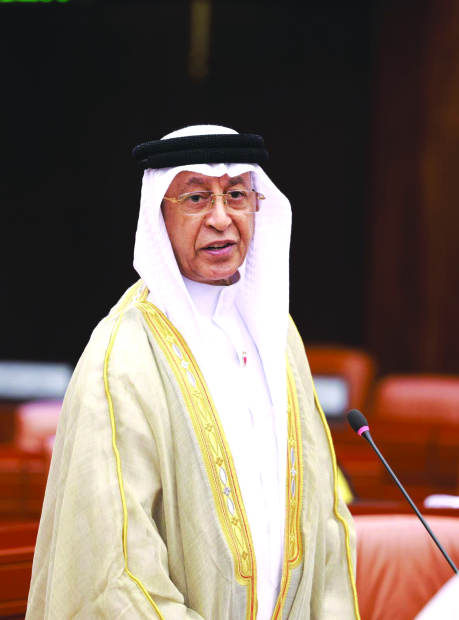
Dr Al Haddad
Dr Ali Al Haddad said the legislation represented ‘an investment in a more sustainable future’ and aligned with global shifts.
“It will reduce consumption burdens, lower pressure on the grid, generate savings and enhance Bahrain’s ability to reach carbon-neutrality goals,” he added.
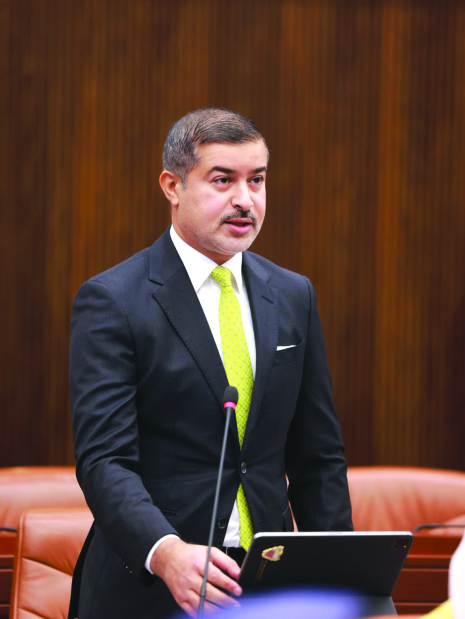
Mr Al Shehabi
Shura Council’s human rights committee vice-chairman Ali Al Shehabi said the bill would help Bahrain capitalise on its natural solar potential.
“While tax exemptions may reduce revenue initially, the long-term economic and environmental benefits are far greater. This proposal puts Bahrain in line with regional and global sustainability trends,” he said.
Mr Al Mannai said the committee had relied on a rigorous methodology.
“We held meetings with academics, national experts and private sector companies, and reviewed successful global models,” he explained.
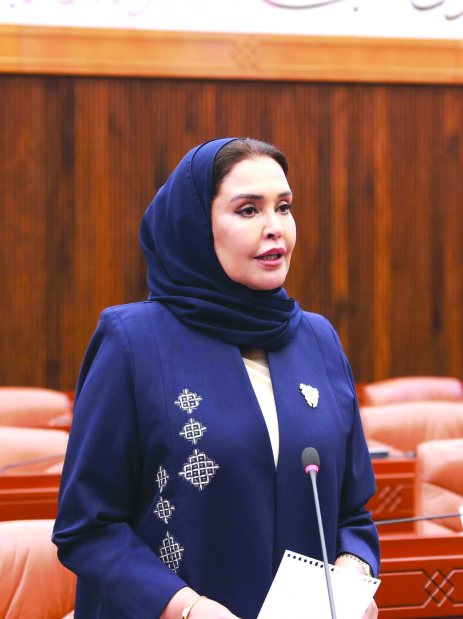
Dr Al Fadhel
The chamber’s second vice-chairwoman Dr Jihad Al Fadhel supported the bill in principle, but pointed to gaps requiring clarification, including identifying the responsible authority, defining ministerial powers, setting reasonable fees and determining liability in case of accidents or fires resulting from renewable energy installations.
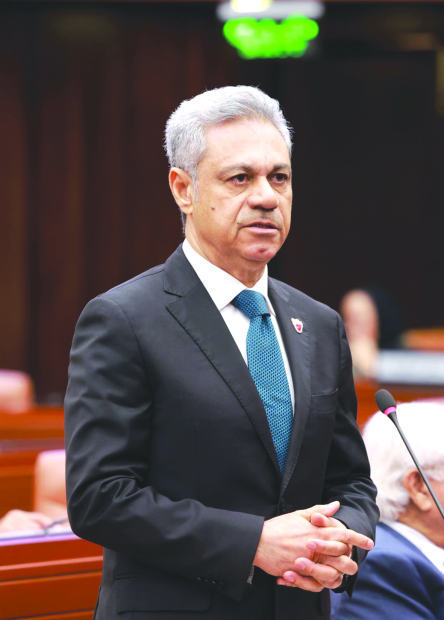
Dr Hassan
Shura Council’s public utilities and environment affairs committee chairman Dr Mohammed Hassan underscored the global momentum behind renewables.
“Clean energy is the world’s alternative to fossil fuels. Technological progress, environmental commitments and economic benefits all reinforce the shift. The proposal aligns with Vision 2030 and the UN Sustainable Development Goals,” he said.
mohammed@gdnmedia.bh
&uuid=(email))