

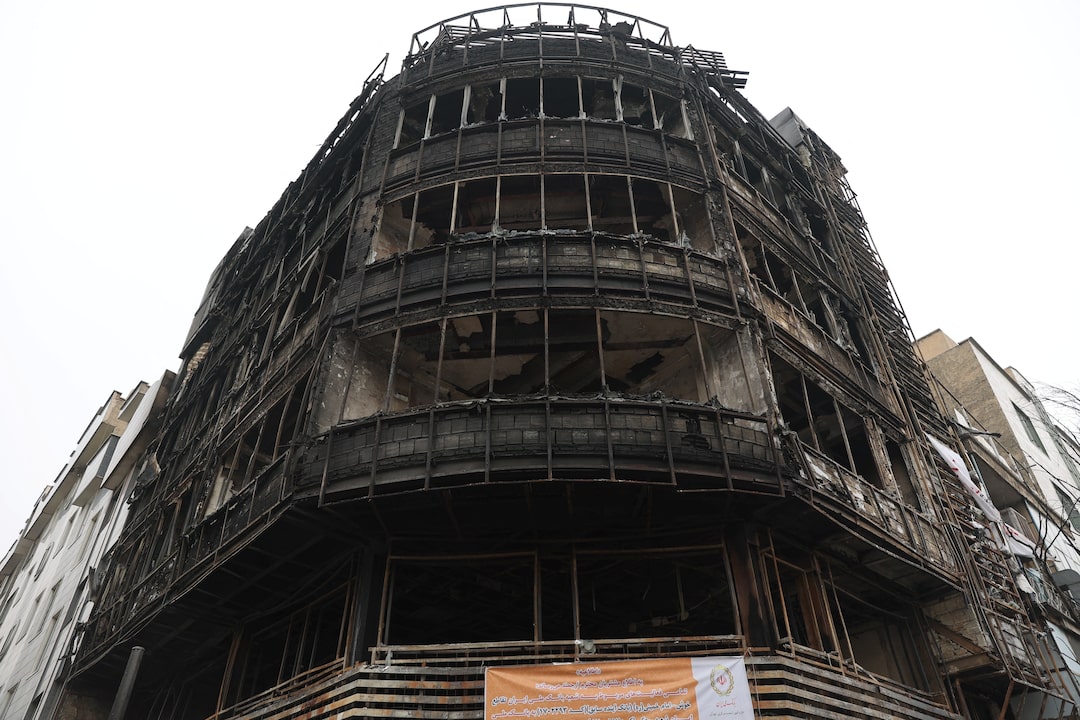
Iran may lift its Internet blackout in a few days, a senior parliament member said yesterday, after authorities shut communications while they used massive force to crush protests in the worst domestic unrest since the 1979 Islamic Revolution.
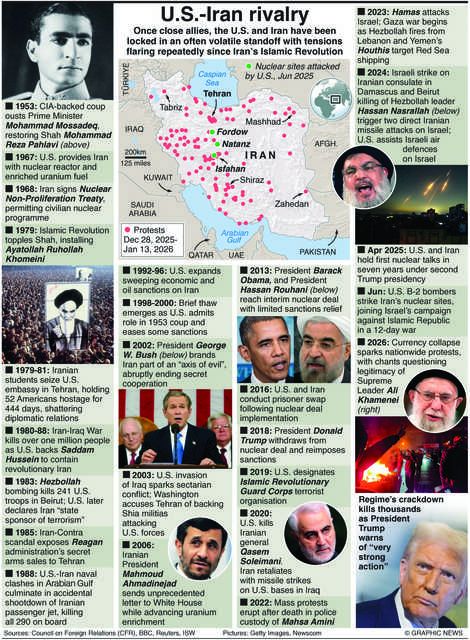
In the latest sign of weakness in the authorities’ control, state television appeared to be hacked late on Sunday, briefly showing speeches by US President Donald Trump and the exiled son of Iran’s last shah calling on the public to revolt.
Iran’s streets have largely been quiet for a week, authorities and social media posts indicated, since anti-government protests that began in late December were put down in three days of mass violence.
An Iranian official told Reuters on condition of anonymity that the confirmed death toll was more than 5,000, including 500 members of the security forces, with some of the worst unrest taking place in ethnic Kurdish areas in the northwest.
Western-based Iranian rights groups also say thousands were killed.
US-based Iranian Kurdish rights group HRANA reported yesterday that a significant number of injuries to protesters came from pellet fire to the face and chest that led to blindings, internal bleeding and organ injuries.
State television reported arrests continuing across Iran on Sunday, including Tehran, Kerman in the south, and Semnan just east of the capital.
Opponents accuse the authorities of opening fire on peaceful demonstrators to crush dissent.
Iran’s clerical rulers say armed crowds encouraged by foreign enemies attacked hospitals and mosques.
The death tolls dwarf those of previous bouts of anti-government unrest put down by the authorities in 2022 and 2009.
The violence drew repeated threats from Trump to intervene militarily, although he has backed off since the large-scale killing stopped.
Trump’s warnings raised fears among Gulf Arab states of a wider escalation and they conducted intense diplomacy with Washington and Tehran.
Iran’s ambassador to Saudi Arabia Alireza Enayati said yesterday that “igniting any conflict will have consequences for the entire region”.
Iranian communications including Internet and international phone lines were largely stopped in the days leading up to the worst unrest.
&uuid=(email))