

Saudi Arabia will invest in a new private Syrian airline as part of a multi-billion-dollar investment package expected to be announced on Saturday, the head of the Syrian Investment Authority said, reflecting Riyadh’s deepening ties to Damascus.
The latest planned investments will mark the largest such announcement since the US lifted a tough set of sanctions on Syria in December.
The sanctions had been a significant obstacle to Syria’s economic revival after a 14-year civil war that inflicted deep damage on much of the country and displaced millions of people.
Saudi investments would include projects in “telecommunications and real estate, especially in the old towns,” said the investment authority head, Talal Al Hilali, speaking to Reuters yesterday on the sidelines of the World Government Summit in Dubai.
Hilali said that the majority of the planned investments would take the form of ready-to-implement contracts, rather than non-binding memoranda of understanding. He declined to give a value for the investments.
The Saudi government media office did not immediately respond to Reuters’ request for comment. The Syrian ministry of information declined to comment.
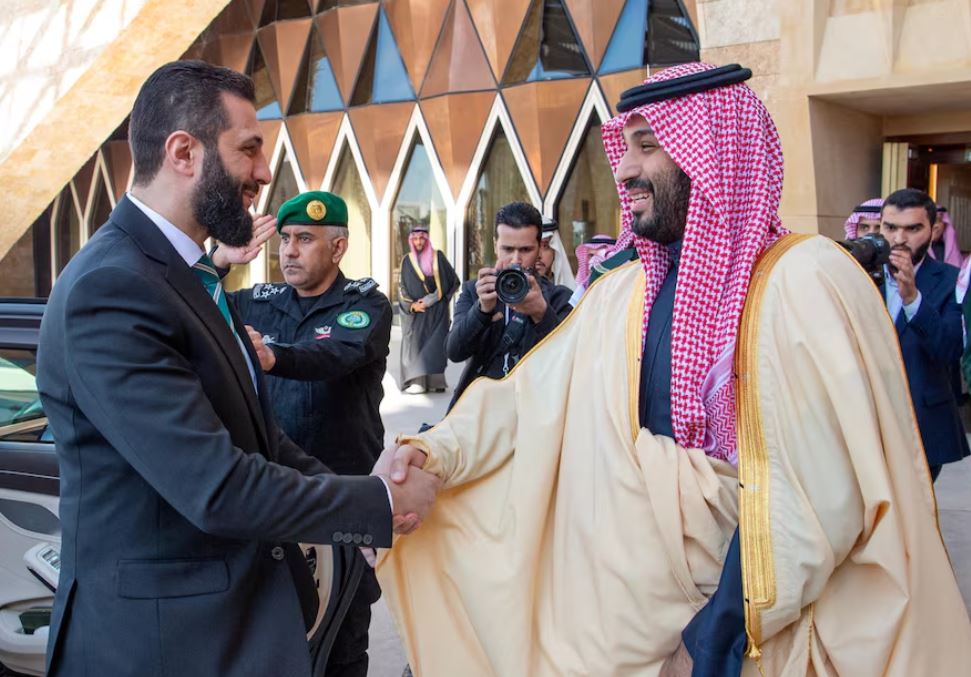
Riyadh has emerged as a close ally of Syrian President Ahmed Al Sharaa since he toppled President Bashar Al Assad some 14 months ago. Last year, Riyadh announced $6.4bn of investments, split into 47 deals with more than 100 Saudi companies working in real estate, infrastructure and telecoms.
The interim government has faced criticism over the past year for making broad development promises based on MoUs with foreign investors, many of which have yet to be finalised into binding contracts.
Two Syrian sources familiar with the matter said aviation investments would include contracts to develop Aleppo International Airport. The sources said the new private airline is expected to launch with more than a dozen aircraft.
A senior Syrian businessman familiar with the matter told Reuters that Saudi Arabia intended to provide insurance coverage for the investments to be implemented in Syria, a move aimed at encouraging Saudi companies to enter the market.
&uuid=(email))