

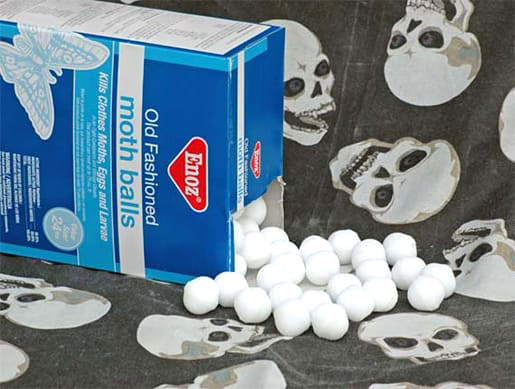
MPs have called on the government to ban the import, sale and household use of naphthalene balls, citing growing concerns over the product’s potential health risks.
The proposal, submitted by five members of the Strategic Thinking Bloc led by Parliament’s financial and economic affairs committee chairman Ahmed Al Salloom, highlights mounting scientific evidence and international regulatory measures targeting the product.
Naphthalene balls are pesticide products that sublimate – turning directly from solid to toxic gas – to kill moths and larvae in enclosed spaces such as wardrobes and storage boxes.
“Naphthalene is not a harmless household product. It is a toxic chemical that releases vapours in confined spaces, exposing families – especially children – to significant health risks,” Mr Al Salloom explained.
He cited international studies that state that inhalation or ingestion of naphthalene can cause acute poisoning symptoms such as headaches, nausea, dizziness, vomiting and confusion. More seriously, it can destroy red blood cells, leading to haemolytic anaemia – a condition particularly dangerous for infants and people with G6PD deficiency.
The International Agency for Research on Cancer classifies naphthalene as a Group 2B carcinogen – possibly carcinogenic to humans. According to reports, long-term exposure has also been linked to liver and kidney damage, cataracts and developmental complications in babies exposed through stored clothing.
Strategic Thinking Bloc spokesman MP Khalid Bu Onk said the proposal aligns Bahrain with precautionary measures adopted internationally.
“The European Union banned the sale and use of naphthalene-based mothballs in 2008 due to concerns about toxicity to humans, animals and the environment,” he noted.
“New Zealand followed with a ban in 2014, and the UK applies similar restrictions. Even in countries where they are not fully banned, such as Australia, they are classified as Schedule 6 poisons and subject to strict controls.”
China has prohibited domestic production and sale of naphthalene mothballs since the early 1990s, while India has faced increasing calls from public health advocates to phase them out.
Another member of the bloc Dr Mariam Al Dhaen stressed the public health implications.
“This is not just a consumer issue; it is a preventative health issue,” she said.
“Newborns, young children and individuals with genetic blood disorders, such as G6PD deficiency, are at the highest risk. In a region where G6PD deficiency is relatively prevalent, continued availability of such a product poses unnecessary danger.”
She added that a range of safer alternatives is readily available, including cedar wood blocks and lavender sachets, while garments can also be stored securely in airtight containers. “We are not leaving families without solutions,” Dr Al Dhaen said. “Natural and safer alternatives exist and are effective.”
Southern Municipal Council chairman Abdulla Abdullatif voiced support for the parliamentary initiative, describing it as a responsible step to safeguard communities.
“Public awareness about the dangers of naphthalene remains limited,” he said. “Banning such products would protect families, especially children, and send a clear message that public health takes priority over outdated practices.”
The proposal urges relevant authorities to review existing regulations, strengthen inspection mechanisms and promote public awareness campaigns on safer storage methods.
The MPs have presented the motion to Speaker Ahmed Al Musallam, requesting that it be scheduled for debate during Tuesday’s session.
mohammed@gdnmedia.bh
&uuid=(email))