

The changes come under Decree-Law No (38) of 2025 amending the 2001 Commercial Companies Law, which have been now referred to the Shura Council for review.
Among the most significant changes is the formal recognition of electronic general assemblies, board meetings and voting systems without requiring companies to amend their constitutions – a move expected to cut costs and speed up decision-making under ministerial controls.
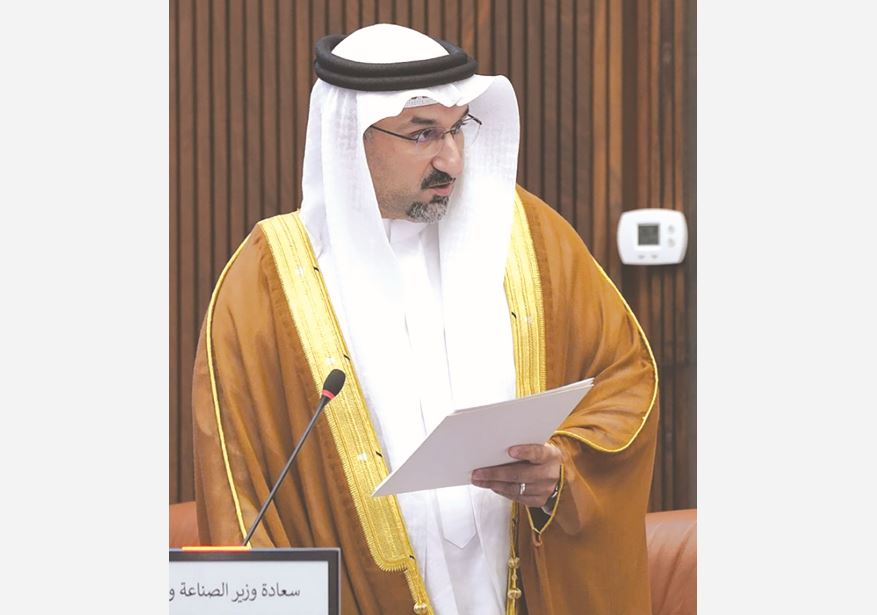
Industry and Commerce Minister Abdulla Fakhro said the amendments were driven by rapid economic shifts and digital transformation.
“These changes create a more flexible and attractive business environment while strengthening competitiveness,” he said. “They remove procedural barriers and encourage companies to adopt digital solutions that save time and resources.”
The decree-law also introduces the ‘one-person company’ model for closed joint-stock companies under Article 226, allowing a single shareholder to establish this structure. Officials say this will expand opportunities for entrepreneurs and small and medium enterprises seeking flexible corporate models.
Mr Fakhro noted that Article 322 was amended to extend the grace period for companies to continue operations after the death or withdrawal of a partner from 15 days to 90 working days.
“This ensures business continuity and gives heirs or partners adequate time to regularise their status without risking liquidation,” he said.
In a move aimed at transparency, the amendments abolish the joint venture company structure (Shirkat Al-Mohasa), long criticised for operating outside formal oversight.
“These entities were often practised beyond the regulatory framework,” Mr Fakhro said. “Their cancellation enhances transparency, ensures all activities fall under supervision and supports fair competition, especially for Bahraini traders.”
Financial and economic committee chairman MP Ahmed Al Salloom said the reforms respond directly to modern business realities.
“This decree-law is a structural reform that strengthens Bahrain’s position as a competitive and trusted investment destination,” he said. “It reinforces governance, transparency and accountability while enabling companies to operate in line with modern digital practices.”
A major governance reform comes through the amendment of Article 18, expanding legal liability beyond formal board members and managers to include de facto managers – individuals who exercise real control over a company without holding official titles.
“We are closing legal loopholes,” Mr Al Salloom said. “Accountability will now follow actual decision-making power, not just job titles. This protects shareholders, partners and third parties from concealed management practices.”
He stressed that the timing of the reforms is critical as Bahrain prepares for its Financial Action Task Force evaluation in 2026.
&uuid=(email))