

Investors who leave industrial land idle could soon face tougher penalties, including fines of up to BD50,000, suspension of business activities for six months, and lease cancellation without court approval.
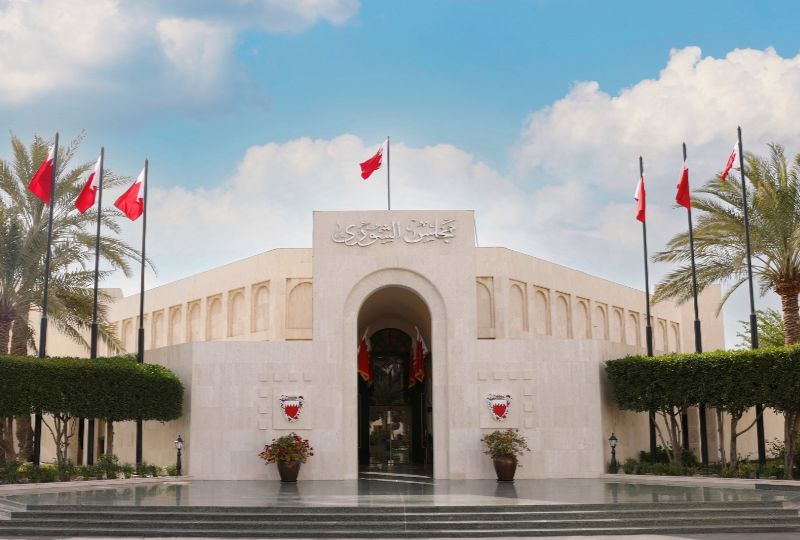
The Shura Council is set to discuss amendments to Decree-Law No 28 of 1999 on Industrial Zones during its final session of the term tomorrow.
Backed by the financial and economic affairs committee, the draft law targets long-standing cases of underutilised industrial land, as legislators say many plots have remained unused for years while genuine investors struggle to secure space.
The amendments grant expanded enforcement powers to the Industry and Commerce Ministry. Authorities would be able to suspend commercial registrations and industrial activities for up to six months, impose administrative fines reaching BD50,000, terminate lease contracts without court intervention, and withdraw unused or non-compliant portions of plots for reallocation to new investors.
Violations may also be published publicly after due process.
Committee chairman Khalid Al Maskati said the law would sharply improve the efficiency of land use across industrial zones.
“Plots will be allocated based on actual need and seriousness. This prevents strategic land from being locked up without benefit and ensures it contributes to productivity, employment and economic growth,” he said.
The amendments also introduce incentives, including temporary rent exemptions, to encourage faster project implementation and prevent plots from remaining vacant.
Stricter rules also govern subleasing and transferring industrial plots to curb speculation. Tenants whose leases end or are revoked must immediately vacate and remove all movable assets. If they fail to do so, the ministry may remove the items at the tenant’s expense or dispose of them in accordance with regulations, with net proceeds returned to the tenant.
“This ensures plots can be quickly reoffered to serious investors without delays,” Mr Al Maskati said.
The committee has unanimously recommended approval of the draft law, aligning with Parliament’s decision and paving the way for what Mr Al Maskati describes as a more disciplined, accountable and investment-ready industrial sector.
&uuid=(email))