

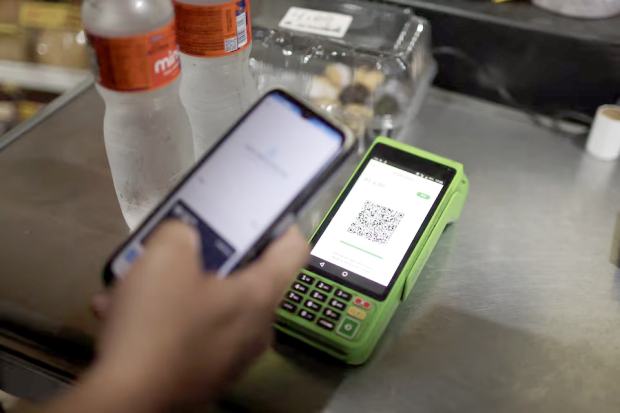
Saudi Arabia’s total point-of-sale transactions reached 16.6 billion riyals ($4.4bn) in the week ending May 2, marking a 37.7 per cent jump in transaction value, reports the Arab News.
According to the latest data from the Saudi Central Bank, the total number of transactions climbed to 270.7 million, up 20.2pc from the previous week, reflecting broad-based momentum across consumer spending categories.
Freight transport and courier services posted the strongest gains in the transportation segment, with spending surging 92.4pc to 86.6m riyals. Outlays on airlines rose 19pc to 51.4m riyals, while auto and equipment rentals jumped 41.3pc to 79.2m riyals.
Food and beverages claimed the largest share of POS spending, with expenditure climbing 48.9pc to 2.83bn riyals. Restaurants and cafes followed with a 23.4pc increase to 1.99bn riyals. Apparel and clothing surged 53.1pc to 1.38bn riyals, making it the third-largest spending category during the monitored week.
Hotel spending also saw a notable uptick, rising 7pc in value to 355.2m riyals, with the number of hotel transactions growing 11.2pc to 956,000. The sector continued to benefit from stronger travel and hospitality activity across the kingdom.
Laundry services recorded one of the sharpest weekly increases, with spending jumping 61.9pc to 76.3m riyals.
Telecommunications expenditure rose 58pc to 243.6m riyals, while jewellery spending climbed 46.4pc to 499.5m riyals.
Riyadh, which accounted for the largest share of total POS spending, saw transaction values rise 29.6pc to 5.52bn riyals. The number of transactions in the capital reached 86.3m, up 16.8pc week-on-week.
In Jeddah, transaction values increased 30pc to 2.18bn riyals, while Mecca reported a 28.6pc rise to 779.2m riyals. Dammam saw spending grow 28.5pc to 809.8m riyals.
POS data, tracked weekly by SAMA, provides an indicator of consumer spending trends and the ongoing growth of digital payments in Saudi Arabia.
The data also highlights the expanding reach of POS infrastructure, extending beyond major retail hubs to smaller cities and service sectors, supporting broader digital inclusion initiatives.
The growth of digital payment technologies aligns with Saudi Arabia’s Vision 2030 objectives, promoting electronic transactions and contributing to the Kingdom’s broader digital economy.
&uuid=(email))