

US bombings have dealt a major blow to Iran’s military and its defence industry, leaving Tehran with only a small or perhaps very moderate ability to strike its neighbours, the US admiral commanding the war effort said yesterday.
The remarks by Admiral Brad Cooper, head of US Central Command, follow reports by Reuters and other news organisations that cite US intelligence suggesting Iran retains a significant missile, drone and small boat capability.
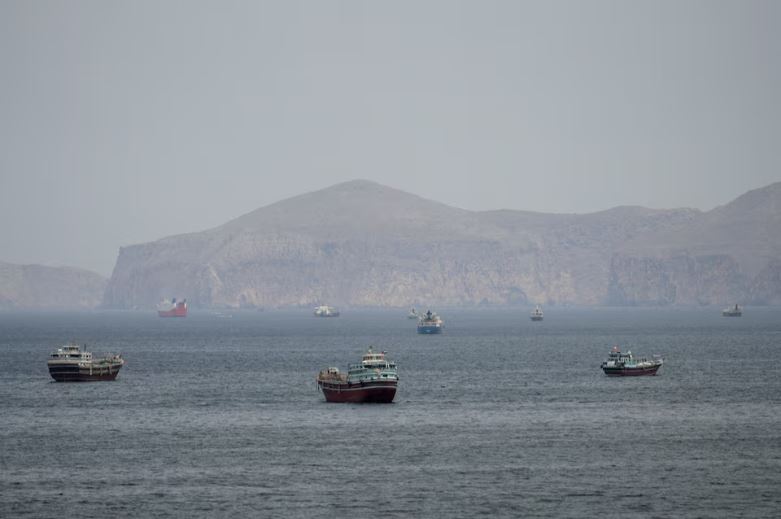
Those capabilities have allowed Iran to continue striking neighbours, particularly the UAE, and pose a sustained threat to traffic through the Strait of Hormuz, a vital global energy chokepoint.
That Iranian defiance has roiled energy markets, led the US military to impose a naval blockade on Iran and cast global doubt on US President Donald Trump’s public claims of victory.
Cooper declined to offer specific estimates of Iran’s remaining missile and drone inventories but played down their significance, saying the US military had achieved all of its objectives in its strikes on Iran.
He said Iran’s defence industry has been set back by 90 per cent.
“They have a very moderate, if not small, capability to continue strikes,” Cooper told a US Senate committee.
“And we, of course, have accordingly prepared for such a contingency.”
Iran was not only militarily weakened at home but also in the broader Middle East, Cooper said, adding Tehran is no longer able to transfer arms and other resources to its main allies in the region: Hizbollah in Lebanon, the Houthis in Yemen and Hamas in the Palestinian enclave of Gaza.
“Those transfer paths and methods have been cut off,” he said.
A Reuters/Ipsos poll completed on Monday showed two out of three Americans think Trump has not clearly explained why the country went to war with Iran and revealed deep concerns about surging gasoline prices.
&uuid=(email))