

GUYANA was already the world’s fastest growing economy before the US-Israeli war on Iran drove up oil price.
Now, the tiny Caribbean nation of nearly 1 million people will reap an even bigger bonanza as the conflict reshapes global energy markets.
The war that caused one of the largest energy disruptions in history highlights the growing importance of countries including Guyana that offer political stability and geographically unrestricted access to their estimated 11 billion barrels of oil reserves.
This growing windfall from crude brings pressure from business owners and locals on the government to use its billions of dollars to boost other parts of the national economy.
“The world has seen too many energy booms that left behind ghost towns, depleted forests and bitter populations. Guyana will not be that story,” President Irfaan Ali said yesterday in an address at Rice University’s Baker Institute this month.
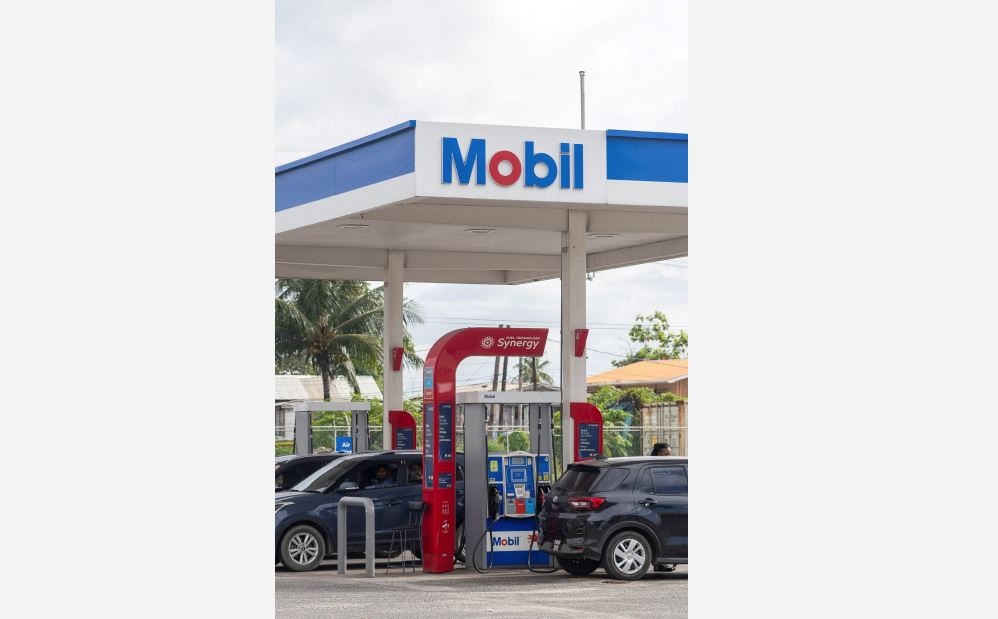
Rapid development by an Exxon Mobil-led oil consortium, which controls all of Guyana’s oil production, grew output to over 900,000 barrels per day in just seven years, a pace without recent precedent as offshore projects can typically take twice as long just to produce the first drop of oil.
Guyana’s GDP more than quadrupled to $27.5 billion between the time the taps started flowing in 2019 to 2024, according to World Bank data. Guyana was previously one of the poorest countries in South America and oil-fueled growth can be seen across the capital of Georgetown, where construction is taking place on new modern office buildings, upscale hotels and rows of single-family homes that resemble those that could be found in US suburbs.
Exxon billboards and ads for other petroleum companies play on the radio, serving as reminders for the industry that helped enable the growth.
&uuid=(email))