

British Prime Minister Keir Starmer said yesterday he would ban social media sites for under-16s and impose restrictions on gaming and live-streaming platforms, in a fightback against big tech that goes further than any other country.
The sweeping changes will ‘give kids their childhood back’, Starmer told reporters, outlining measures against Snapchat, TikTok, Instagram and other platforms, as well as gaming sites that allow strangers to contact children.
“It is clear to me a full ban is the right choice,” he said.
“It will make a huge difference, it will make our children safer, it will make our children happier, it will give them more time, more security, more freedom to grow up, more opportunity.”
However some experts doubted whether a blanket ban would be effective, and Starmer acknowledged it would be difficult to fully enforce such restrictions.
Britain will go further than Australia –the first country to ban social media for children – with controls on gaming platforms and the possibility of overnight curfews and curbs on infinite scrolling for under-18s.
YouTube, Facebook and X will be covered, the government said, but messaging services such as WhatsApp and Signal will not be.
“‘World-leading blocks’ on? livestreaming and strangers contacting children would also be imposed,” Starmer said.
“Is there a situation in the offline world where you would just let your child pair up with a stranger, an adult that you don’t know anything about?” he said.
Services designed for children and education, such as YouTube Kids, Lego Play and Google Classroom, will not be affected by the ban, he said.
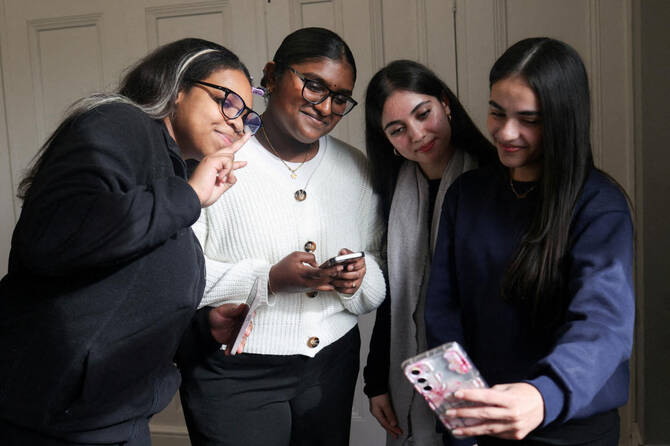
While a majority of parents and politicians back a ban, some psychologists and researchers have said there is no proof that it would work, and a group of schoolchildren in London told Reuters they had a conflicted relationship with the technology.
Social media companies have already put in place child safety measures, such as new algorithms, in response to tightening regulations, including by Britain.
They said that a blanket ban could push young people onto riskier platforms that did not offer the protections they had introduced.
&uuid=(email))