

Saudi Arabia’s tracked renewable energy pipeline stands at 63.8 gigawatts across 53 projects, as the kingdom advances its ambitions to achieve net-zero emissions by 2060, an analysis showed.
According to the Saudi Arabia Renewables Tracker, released by the King Abdullah Petroleum Studies and Research Centre, the kingdom’s cumulative operating renewable-energy capacity has increased more than 63-fold since 2020, reaching 19.3 GW in 2026.
This development aligns with Saudi Arabia’s Vision 2030 goals to expand power generation capacity while incorporating cleaner technologies, including carbon-capture readiness. The kingdom aims to produce 100–130 GW of renewable energy capacity by 2030 and achieve net-zero emissions by 2060.
KAPSARC said on X that the figures embody “the kingdom’s ambition and its promising future in the energy and sustainability sector.”
The dashboard also said that additional projects are expected to be announced as the kingdom accelerates progress toward its 2030 renewable-energy goals.
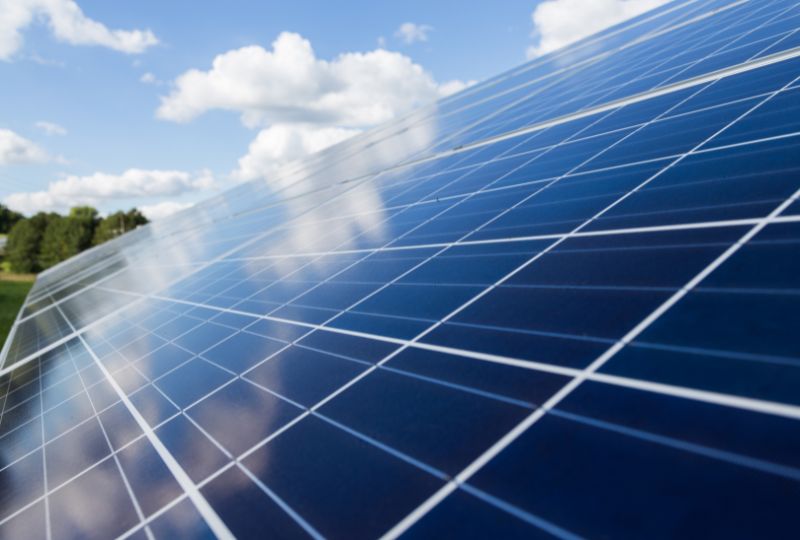
Solar accounts for 81 per cent of tracked capacity, while wind accounts for 19pc.
By status, about 30pc of capacity is installed, 37pc is under development and 32pc is tendered.
Projects are spread across Riyadh, Makkah, Madinah, Al Qassim, Hail, Aseer, Jazan, the Eastern Province, Al Jouf, Najran and the Northern Borders.
For 2026, the tracker lists eight projects with an expected commissioning year of 2026, totaling 7.7 GW.
Six of those projects are recorded as installed.
Two 2026 projects remain under development: Henakiyah 2 solar, with 400 MW, in Madina, and Rabigh 2 solar, with 300 MW, in Makkah.
&uuid=(email))