

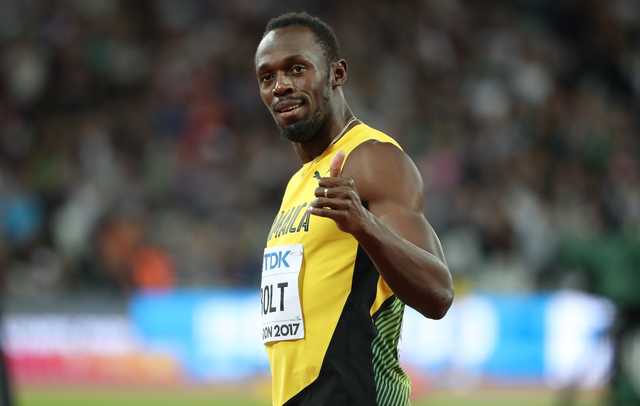
We are all marvelling in Bahrain at the feats of Usain Bolt despite his third place in London yesterday. Aged almost 31, with three world records, eight Olympic golds and (to date) 11 world titles, the flamboyant Jamaican will be missed as much for his international class in shifting tickets as for his athletic prowess.
How can we explain his astonishing speed, clocked at almost 28mph when the great man is in full flow? The analysis of Bolt’s technique provides an insight not solely into running fast, but more generally, perhaps into how to lead a happier and fulfilled life.
Bolt’s success lies in utilising his natural advantage, a height of 6ft 5in, to optimum effect. In the middle phase of a race, his average stride length of 2.38m (at almost 8ft, several inches more than his rivals) helps him to outpace shorter men. At the beginning of a race, however, Bolt’s height is a handicap. He takes longer to get upright. If he tried to rise too swiftly he’d fall flat on his face. Intriguingly, courageously, he thus deliberately slows down this initial phase.
Bolt maintains his maximum speed for longer, decelerating at 85 metres as opposed to adjacent runners who tend to slow up about 70 metres. The secret of his decade-long domination resides in a decision to start more slowly yet keep going for longer than his opponents. A lesson there for us all. Surely? He never seemed remotely stressed during his stellar career, and we wish Usain Bolt a super-cool, chilled-out retirement.
&uuid=(email))