

A senior official has urged the banking sector to develop tailored financing solutions to bolster fertiliser exports and reinforce Bahrain’s position in global food supply chains.
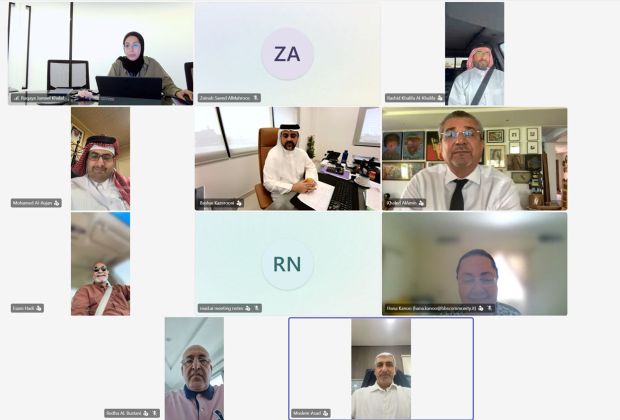
Bahrain Chamber food committee chairman Khalid Al Amin, speaking during an online meeting with food traders from across the kingdom, highlighted the sector’s need for innovative financial instruments to mitigate rising shipping pressures and escalating insurance costs.
He stressed that easing financing constraints on traders is essential to ensuring they can maintain adequate stock levels of key commodities and safeguard the kingdom’s food security.
“The banking sector can be a key partner in supporting the food trading sector,” said Mr Al Amin.
“This would enhance the local market’s ability to address current challenges and ensure the continuity and stability of food supply chains, particularly amid increasing global shipping pressures and rising insurance costs.
“The banking sector’s entry as a strategic partner — through the provision of flexible and innovative financing solutions – would alleviate financial pressures on traders and enable them to maintain safe stock levels of essential goods.”
Mr Al Amin added that Bahrain holds a competitive advantage as one of the exporting countries of agricultural fertilisers. This position, he said, creates meaningful opportunities for the banking sector to design targeted financing instruments that can further support fertiliser exports.
He stressed the need for deeper integration between financial institutions and entities operating across the food security ecosystem to advance the national food security agenda.
“The banking sector could introduce innovative financing solutions to absorb cost differences arising from exceptional circumstances that may disrupt or halt maritime, land, or air supply routes.
“Use of alternative routes or modes of transportation has become necessary to ensure the continued flow of essential goods.
“Such financing mechanisms help protect traders from sudden cost pressures, support local market stability, and enhance the banking sector’s ability to play a strategic role as a partner in achieving food stability.”
He added that adopting flexible financing models is crucial for empowering the private sector to withstand external shocks and ensuring the sustainability of supply chains. Achieving this, he said, requires the implementation of clear mechanisms that enable food‑security‑related sectors to obtain necessary funding through concessional loan programmes, supported by transparent repayment structures.
“Such steps would enhance market resilience and support the productive and export capacities of the Bahraini market,” he said.
“These directions align with the national role undertaken by the banking sector in supporting the economy, in line with the policies of the government, led by His Royal Highness Prince Salman bin Hamad Al Khalifa, Crown Prince and Prime Minister.
“The food security sector remains a top priority for the banking sector due to its direct connection to economic and social stability.
“Strengthening partnerships with this vital sector supports comprehensive development, ensures the sustainable flow of essential goods efficiently and flexibly, and enhances Bahrain’s ability to address regional and global challenges.”
&uuid=(email))