

MANAMA: Bahrain has set out a 10-year roadmap to start commercial extraction of at least 80 billion barrels of tight (or shale) oil from a newly-discovered large oilfield off Bahrain’s western coast.
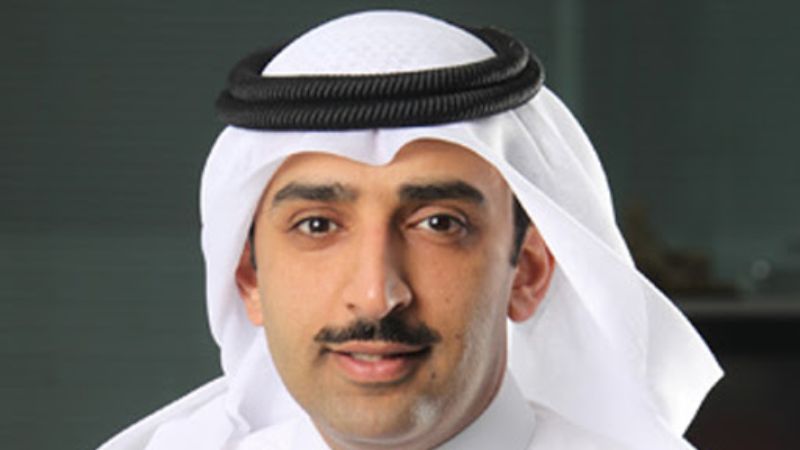
Oil Minister Shaikh Mohammed bin Khalifa Al Khalifa said drilling work in the Khaleej Al Bahrain basin, that spans 2,000sqkm in shallow waters off the coast, is expected to start at the end of next year.
In April 2018, Bahrain announced the largest discovery of oil since 1932, when extraction started on the kingdom’s first oil well within the Bahrain Oil Field.
Shaikh Mohammed added that the amount of available oil has been confirmed through studies conducted until last month by 21 specialised consultancy firms led by the US giant, Texas-based DeGolyer and MacNaughton (Demac).
The minister will appear during Parliament’s extraordinary session today to elaborate on studies that will focus on the geological, engineering and lab aspects of what amounts of oil could be extracted.
“We have intensified work and put a roadmap for 10 years to develop the basin, to move from the assessment and initial production phase to actual commercial production,” said Shaikh Mohammed, in a written response.
“Work is already ongoing to excavate onshore oil wells to present studies on the extent of the basin and come up with the best ways to break oil beds through hydraulic mechanisms.
“Actual pricing and revenues will only be calculated when we begin actual work to drill for oil commercially.”
He said the discovery will help create a jobs market for the kingdom’s youth and other numerous new employment opportunities.
Shaikh Mohammed is expected to reply to questions by Parliament public utilities and environment affairs committee chairman Mohammed Buhamood, Bahrain Bloc president Ahmed Al Salloom and Ammar Qambar.
“We have conducted more than 14,000 specialised training courses for our local Tatweer Petroleum teams from 2018 and until March,” said the minister.
“So far, we have not reached an agreement with any company specialised in unconventional oilfield development or gas production.
“This is mainly due to the international financial crisis and the drop in oil prices, which has put off new investments by major oil companies.
“But this didn’t stop us from assessing oil wells as we work to attract international oil companies to invest in Bahrain.”
The GDN earlier reported that the massive discovery also includes deposits that would have an estimated 10 to 20 trillion cubic feet of deep natural gas.
In 2019, Parliament and the Shura Council approved a Royal decree authorising the National Oil and Gas Authority (Noga) to sign an agreement for oil exploration and production.
Tatweer Petroleum has partnered with Italian firm Eni Bahrain to seek out deposits in an area known as “offshore block one”, which measures 2,800sqkm.
Shaikh Mohammed will also respond to a question by MP Bassem Al Malki on licensed fuel stations.
“We have 54 licensed stations, 51 for vehicles and three for boats,” he said in writing.
Nineteen are owned by Bapco and the rest by private investors.
“The country has only witnessed three leaks at fuel stations over the past 40 years, with the first being in the early 1990s in Khamis, the second being in October 2020 in Juffair and the last being in January this year in Jidhafs,” said Shaikh Mohammed, adding that the source of the leaks had been fixed.
&uuid=(email))