


THE REGION needs ongoing awareness campaigns against sexual harassment and cyber-bullying facing children, say experts caring for the victims of abuse.
While underlining a lack of registered regional studies or relevant data, they believe that incidents were ‘not less or more common’ than in other societies.
Bahrain-based scholars Dr Muneera Ghablan and Professor Mariwan Husni shared their views following a symposium hosted in Bahrain.
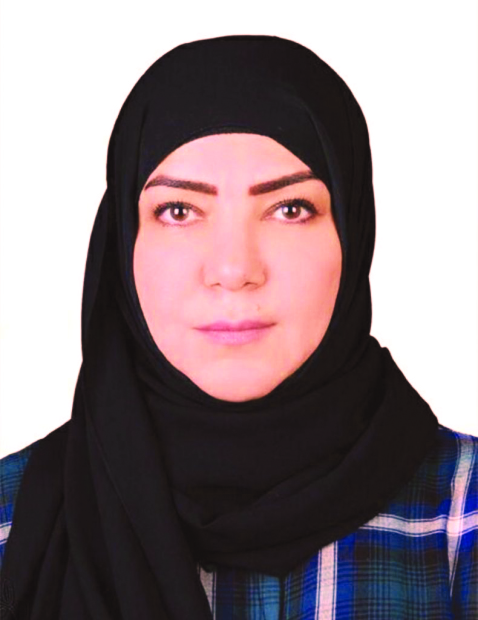
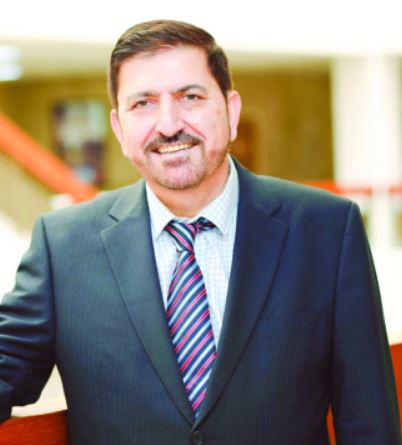
Dr Ghablan and Prof Husni
“Our societies need sequential awareness campaigns, including those against electronic sexual harassment and cyber-bullying,” Dr Ghablan told the GDN.
“We need to teach children how to protect themselves which can be done through special intensive programmes by specialists.
“We must educate parents and society about the dangers of not teaching children to protect themselves. If there is awareness, the aggressor will be afraid to venture into the act.
“There are studies conducted in GCC countries which confirm that cases are sometimes covered up and not reported, because the harasser is a close or first degree relative.”
The session titled ‘Protect My Childhood - It Is Precious’ addressing ‘How to Protect Our Children from Sexual Abuse’ was hosted by the Arabian Gulf University (AGU) in association with the Kuwait National Society for Protection of Children (NSPC). It was moderated by NSPC president Dr Siham Al-Fraih.
“There is no reliable or accurate statistics about incidences in Bahrain, in the GCC, or even in the wider region, but it is not less or more common than similar societies,” said Dr Ghablan who holds a doctoral degree in Education for the Gifted.
“After raising awareness in the Bahraini and the GCC societies, thanks to the active work of civil society organisations, and, of course, the efforts of social workers, in my opinion there has been an increase in the number of cases that are reported to the relevant authorities.”
Professor Husni warned of the dangers lurking within close-knit communities … perpetrators who often stay within the vicinity of the potential child victim.
“We have examples of people offering to take care of a child when the parents are busy, or buying gifts, or taking them on outings - all of which may look like kind gestures,” he said.
“They pose themselves as caring relatives, or family friends, and prey on the child. Even when they are caught they try to get away with an excuse of that they only had a noble intention and, if they succeed on gaining a second chance, they take advantage of the child again.”
However, it is no all doom and gloom, according to Prof Husni, who added: “Parents in general are being more watchful about protecting their children and are also detecting signs of behavioural changes.
“The victims may be anxious, show signs of headaches and stomach-aches, and want to be left alone more than normal. They may even utter inappropriate sexual words.”
Dr Husni, a British national of Iraq origin, however, raised concerns over parents refusing to take the matters through the court system which is the ultimate deterrent and helps society keep a tab on the perverts.
“Very often families retract or shy away from proceeding with a case,” he said. “This means the perpetrator will have no case against him or her and is set free.”
The GCC Health Council last year (October) launched a campaign aimed at raising awareness about the sexual harassment of children. The campaign is entitled ‘Don’t keep silent on harassment of children’ urges family of the child victim to break their silence, warning that it encourages the assailant to strike again. It also released a video highlighting the psychological impact of harassment on children.
raji@gdn.com.bh
&uuid=(email))