

EXPERTS have expressed fears of threats to the environment re-emerging after the lifting of Covid-19 restrictions.
They said improvements to the environment were witnessed during the pandemic but the gains were “temporary” and people had to rethink, readjust and let nature heal.
Their findings are contained in a study, ‘Covid-19 Environmental Impact in the Kingdom of Bahrain’, published by the Bahrain Centre for Strategic, International and Energy Studies (Derasat) in partnership with the UN Development Programme.

Dr Bin Daina
However, Supreme Council for Environment (SCE) chief executive Dr Mohammed Bin Daina was optimistic that people will be careful with the country currently in the green zone – the lowest alert level under the Covid-19 Alert Level Traffic Light System.
“Bahrain was never completely locked down; life was fairly normal and the progress that we have seen in tackling the pandemic reflects the awareness and responsibility of the people,” he told the GDN.
“I am confident that people will be careful even when we are in green zone.
“We must bear in mind the odd phases of the pandemic and also give that space required to all, including the biodiversity which is healing globally to completely recover.”
The study found that in certain cases, wildlife and biodiversity improved in protected areas such as Al Areen Wildlife Park and Reserve which was closed during the pandemic.
Experts also cited the cancellation of the winter camping season, offering a significant boost to the desert wildlife, and restricted movement on beaches helped to improve environmental quality due to less littering.
Other merits included a drop in illegal shrimping, thanks to the pandemic restrictions and the six-month ban on shrimping which ended on July 31.
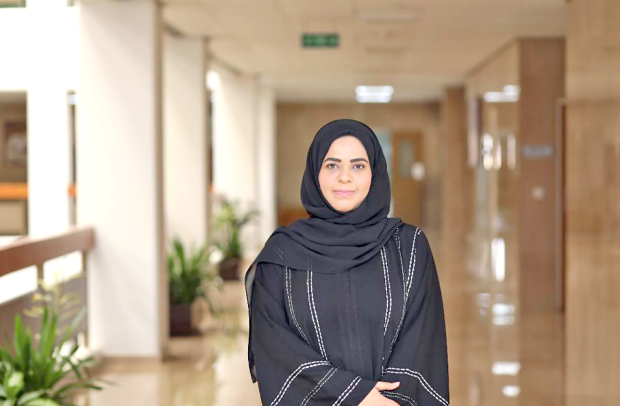
Dr Alsabbagh
Arabian Gulf University Technological Studies vice dean Dr Maha Alsabbagh acknowledged that the pandemic had come as a blessing to the environment, adding that the lifestyle in Bahrain has changed since last year.
“Driving less, sailing less, and disturbing ecological systems and habitat less was beneficial to the environment,” she said.
However, the AGU Energy and Climate Change Policies associate professor also pointed out there were “some negative impacts” as in potential increase in electricity use and municipal waste generation.
“But these impacts, whether positive or negative, should be enough to raise the red flag.
“Our day-to-day habits and lifestyle, our transportation decisions, our gathering and dining style, even our purchasing choices, all these have impacts on the environment.
“Some of the impacts might be noticed sooner than the other, as in the Covid-19 case, but definitely, every small daily decision we make counts.”
One of the Derasat experts had cautioned that increased water consumption would have caused an increase in the discharge from desalination plants, damaging marine environments.
The study noted that the migration of birds to Bahrain was not affected by Covid-19. It also added that initial impressions indicated no impact on endangered species, mainly at Al Areen Wildlife Park and Reserve and Hawar Islands. However, technical studies were needed to reconfirm that.
Lack of sufficient data was pointed out as another limitation.
raji@gdn.com.bh
&uuid=(email))