

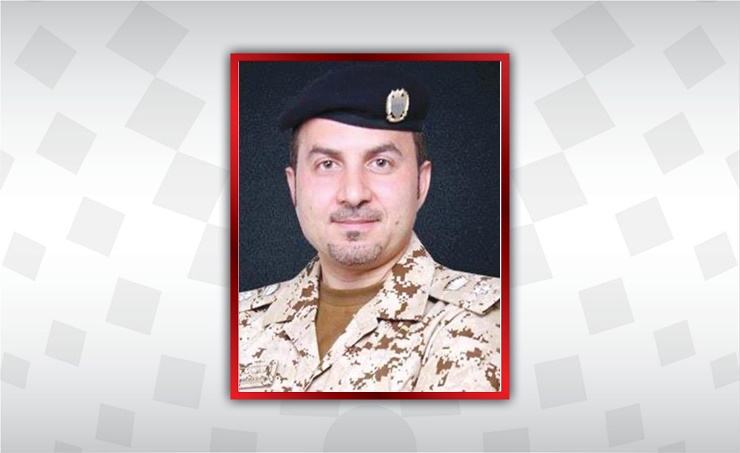
BAHRAIN has conducted almost one million rapid antigen detection tests (RADT) for the coronavirus (Covid-19) among schoolchildren since August last year, it has been revealed.
This helped in keeping the test positivity rate among children – the vulnerable group – low and to reopen schools in Bahrain, said National Taskforce for Combating the Coronavirus (Covid-19) monitoring committee head Lieutenant Colonel Dr Manaf Al Qahtani.
He was speaking at a webinar, ‘Implementation of antigen testing to enable safer in-person education’, yesterday to showcase to the world Bahrain’s example of safe reopening of schools.
Among the details he revealed were:
- Till date more than 1.4m RADT have been conducted on Bahrain’s population, including 932,027 among 42 private and public schoolchildren which recorded 854 positive cases;
- A total of 100,000 tests were done among sports teams with 99 positive cases registered;
- In hospital emergency rooms, 26,232 tests were conducted resulting in 349 positive cases and 75,862 tests in health centres with 7,662 positive cases;
- Twelve cases were detected out of 1,835 tests done among healthcare workers and another 300,000 tests were done on random community members which led to 29,727 cases.
The rapid, or antigen, test uses a nasal or throat swab to get a fluid sample, with the results available in minutes.
The approved official Covid-19 testing in Bahrain is the real time polymerase chain reaction (RT-PCR) method. However, as part of Bahrain’s aggressive track, trace and test policy, the RADT was introduced with trials in schools and was later rolled out for the general public.
“We adopted RADT in schools with certain objectives and goals,” said Lt Col Dr Al Qahtani.
He added that since it was found that new transmission could be prevented if the test results were received on the same day, it was decided to use RADTs to open school safely and to prevent Covid-19 outbreaks in schools.
“The aim was also to promote self-testing in the community, shifting from symptom-based screening to other methods.”
The pilot study was conducted in six private schools and 14 public schools from September to November last year with onsite testing done on students and staff attending school.
The tests were repeated three times and the prevalence of Covid-19 infection in the community was three per cent.
The medic underlined that most of the cases that were confirmed positive through an RT-PCR test did not recognise the symptoms. “We conduct around 30,000 to 35,000 RADTs on a weekly basis.”
Children returned to classes last week as government schools started the new academic year, after a long break.
Schools had suspended in-person learning on February 26 last year, following the outbreak of the Covid-19 pandemic, and switched to virtual classes.
The Education Ministry left it to the parents to choose between in-person learning and online classes for their children. The GDN reported earlier that around 80,000 students had opted to return to campus, while 66,000 preferred virtual teaching.
Lt Col Dr Al Qahtani noted that Bahrain adopted a layered approach that incorporates all mitigation measures – testing, vaccination and other prevention strategies – to help students and staff remain safe and healthy.
“We need to weigh trade-offs among different coronavirus tests and balance frequency and scope of testing to fit schools’ needs and Bahrain’s testing strategy in school is ‘test-to-learn and play’,” he said, adding that the current stage (September to December) is testing all children returning to school regardless of vaccination status while next year this could be limited to unvaccinated and symptomatic.
The session was organised by American multinational medical devices and healthcare company Illinois-based Abbott Laboratories.
raji@gdn.com.bh
&uuid=(email))