

MORE young Bahrainis are being urged to consider stepping back in time to a rosy future by picking up a lucrative, niche traditional profession.
Heritage is becoming a hot topic not only with tourists but the general public who long for reminders of good times gone by ... and career paths are opening up all the time.
Pearls, date palms, gold and pottery are fields abundant with promising opportunities supporters suggest, especially with the modernisation and revival of traditional crafts.
Details were highlighted during the Intangible Cultural Heritage Forum held at the Bahrain National Theatre, now in its third edition, organised by the Bahrain Authority for Culture and Antiquities (Baca).
“Heritage isn’t just old buildings and artifacts but it is also ancient traditions successfully passed down through generations as a critical part of national identity and solidarity,” said Baca director general for culture and arts Shaikha Hala bint Mohammed Al Khalifa.
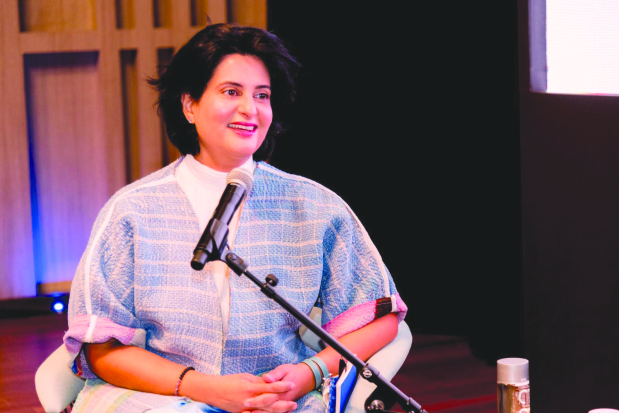
Shaikha Hala speaks at the event
“It is important to continue our efforts to preserve and revive our intangible heritage which is unique to our kingdom and promote it across the world.”
Panelists at the forum included Baca Handicrafts director Shouq Al Alawi, Bahrain Institute for Pearls and Gemstones (Danat) chief executive Noora Jamsheer, Works, Municipalities Affairs and Urban Planning Ministry assistant under-secretary for agriculture affairs Dr Abdulaziz Abdulkarim, Al Mahmood Pearls general manager Mohammed Al Mahmood and Al Zain Jewellery digital marketing head Fatima Darwish.
It also included the participation of goldsmith Abdulshaheed Al Saegh, potter Abdulnabi Abdulraheem and palm tree farmer and expert Sayed Saleh Jaffar who stressed the importance of government support, additional awareness, training programmes and increased involvement of the young.
“If we are talking about date palms we aren’t just discussing trees but heritage, a way of life, a legacy and a national identity,” said Dr Abdulkarim. “It is critical to pass on the knowledge and expertise to the younger generation.”
Support comes in many forms such as providing free services to combat pests – such as the red palm weevil – treatment of date palms, in addition to irrigation services, pesticides and training programmes.
Meanwhile, Ms Jamsheer highlighted that Bahraini pearl merchants have created ‘the best necklaces’ in the world and remain highly desirable.
She stated that although cultured pearls are available on the global market, there were strict laws in Bahrain – the only country which doesn’t allow their entry – to protect Bahrain’s pearling industry and its intangible heritage.
“Pearls are an integral part of Bahrain’s heritage and they were mentioned in the Holy Quran using the most beautiful phrases,” said Mr Al Mahmood. “They are created by natural creatures and they are a miracle of creation by God, unlike diamonds which are cut, refined and shined.
“Everyone who is dealing with cultured pearls has always attempted to replicate the natural pearls of Bahrain due to their beauty and luster.”
They can try ... but the real deal still sells, many experts admit.
Plans are underway to continue the revival and modernisation of traditional crafts to ensure the preservation of Bahrain’s intangible heritage for the future generations which will be revealed at a later date.
reem@gdn.com.bh
&uuid=(email))