

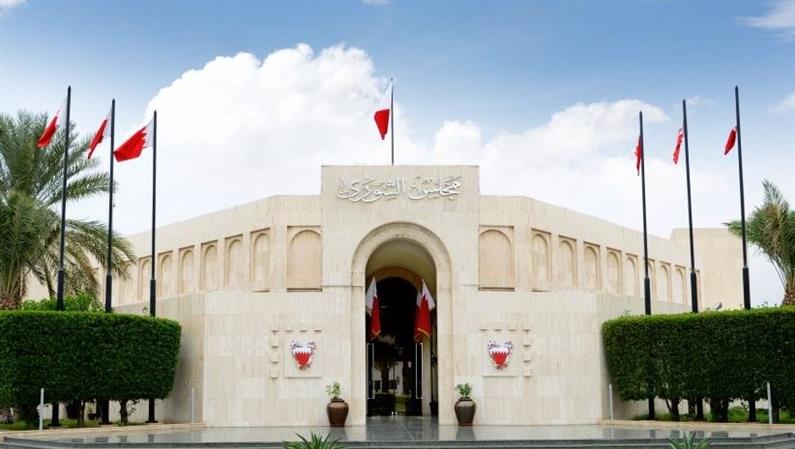
CONTROVERSIAL amendments to a law that would consider people sheltering terror fugitives as accomplices will be voted upon in the Shura Council on Sunday.
In an initial vote in May this year, the upper chamber of the National Assembly backed the amendments to the 2006 Anti-Terrorism Law which stipulated 15 years in prison for people sheltering suspected terrorists.
However, chairman Ali Al Saleh decided to delay the final vote until after the five-month recess to allow a further review of the matter.
Shura members have omitted all exceptions made by MPs to have family members or those unaware excluded despite a request for humanitarian consideration from the ministries of Interior and Justice, Islamic Affairs and Endowments.
The bill presented by Parliament in 2019 has been revised from the original version presented by former Parliament chairman Ahmed Al Mulla which considered those who shelter terrorist fugitives as accomplices.
MPs considered being lenient towards the terrorists’ parents and relatives who would be acting out of compassion. The government also requested MPs to insert a condition that only those who knowingly provide shelter to a terrorist fugitive can be charged.
Discussions in Parliament over the original amendments ended in a stalemate in 2019, prompting Parliament Speaker Fouzia Zainal to withdraw it for revision.
Parliament foreign affairs, defence and national security committee chairman Mohammed Al Sissi said that the original version was harsh.
However, he added that if the Shura’s vote on Sunday means a return to the original version, then MPs would have to review the amendments once again. “We believe that it is unfair that people who hide fugitives, even knowingly, face the same punishments as the terrorists themselves.
“If the terrorists get the death penalty, the same would apply to those giving them refuge, which is not justice or compassionate.”
Shura Council foreign affairs, defence and national security committee chairman Yousif Al Ghatam said clemency should be decided by a judge, and not stated in law.
“A judge has to weigh the evidence and determine if someone knowingly participated in the crime by hiding the fugitive or not, and whether family members are actual accomplices or not; the judge decides if mercy is to be granted or not.”
Should both chambers insist on their respective amendments, then the matter will be referred for a joint vote – something that has never happened since the bicameral system was introduced in 2002.
Separately, a vote on amendments to the 2015 Commercial Registrations Law originally presented by the Shura Council is also scheduled for Sunday.
The five articles mention regulations and punishments related to violations, improper registration or misuse of final beneficiaries, without any terminology reference to who or what they are. The upper chamber is also set to be notified about 15 Royal decrees issued by His Majesty King Hamad during recess.
Elections to Shura committees are also scheduled for Sunday. Four members will be also elected to represent Shura in the Executive Parliamentary Committee, which is responsible to select legislators for abroad participations.
The nine-member executive committee is headed by Ms Zainal and also comprises four elected MPs.
Eleven Shura members have been tasked with preparing a draft reply to the King’s address at the opening of the National Assembly’s fourth session of the fifth legislative term last Sunday.
&uuid=(email))