


BAHRAIN has the potential to lead the region in the treatment of stroke sufferers with its expertise backed by its national ambulance crews, said a regional expert.
A stroke is a serious life-threatening medical condition that happens when the blood supply to part of the brain is cut off. Strokes are a medical emergency and the sooner a person receives treatment, the less damage is likely to happen.
Middle East and North Africa (Mena) Stroke Organisation president Dr Suhail Abdulla Alrukn said many of the risk factors can be treated, modified or controlled.
He highlighted that 80 per cent of people suffering a stroke are found to have hypertension, blood pressure that is higher than normal, and a risk factor of major prevalence in the region.
Dr Alrukn was speaking to the GDN on the side-lines of the seventh Mena Stroke Congress which opened at the Gulf Convention Centre. The three-day forum, which concluded yesterday, was held in hybrid format under the patronage of Supreme Council for Health (SCH) chairman Lieutenant Colonel Dr Shaikh Mohammed bin Abdulla Al Khalifa. It was organised by the Bahrain Medical Society’s (BMS) Bahrain Neurosciences Association.
“The kingdom has a huge potential to establish a regional stroke system and to lead treatment with the experts and specialists it has, alongside an efficient ambulance system,” Dr Alrukn told the GDN.
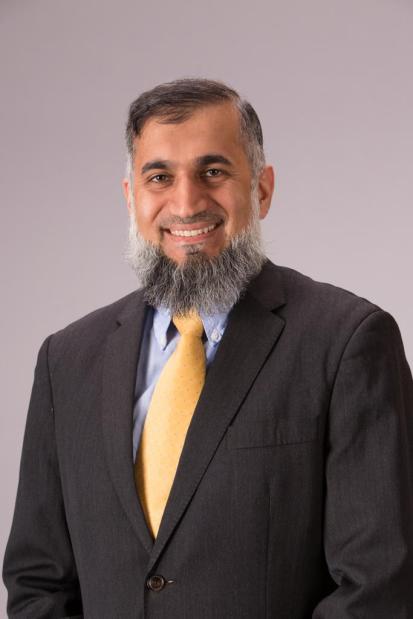
Dr Alrukn
“Of the 7,500 registrations that we attracted from worldwide for this conference, 1,700 were from Bahrain, which reflects the country’s interest in improving the stroke treatment system.
“Over the seven years at the congress we have seen Bahrain making advances by treating hundreds of cases by a number of efficient Bahraini and non-Bahraini expert medics.”
Forum attendees discussed the stroke challenges at a regional level and came up with a set of guidelines. It gathered around 40 doctors and consultants from Bahrain, the region and other parts of the world who also delivered lectures and presented papers.
“Globally, there are 15 million stroke victims annually and by 2030 the World Health Organisation (WHO) predicts this will touch 20m. Of these, 5m die within the first six months after the stroke,” said Dr Alrukn.
“Stroke is often preventable and by controlling the five main risk factors, this is achievable.
“Uncontrolled high blood pressure or hypertension, for example, is a silent killer as it has no symptoms. In the Middle East, 80pc of people suffering a stroke are found to have hypertension, diagnosed of otherwise.
“This is due to an increased salt intake in their diet and obesity, while another reason is diabetes, which remains a huge challenge in our population.”
Affected
Bahrain is considered one of the countries most affected by diabetes, with an incidence rate of 14.7pc in the adult population. Predictions indicate a high percentage of people will be diagnosed as having diabetic disease – about a quarter of the region’s population – in the GCC countries, by 2030.
Dr Alrukn added that smoking and a sedentary lifestyle were also leading to cardiovascular diseases and strokes while in the elderly, heart diseases were a leading stroke risk factor.
The GDN reported last October on demands to create a regional task force to deal with a rising number of stroke cases. It was part of the three-pronged goal of the document by Mission Thrombectomy 2020 (MT2020) – a global health campaign founded by the Society of Vascular and Interventional Neurology in 2016 to accelerate access to the treatment globally, of which Bahrain is a member.
It was released aiming to promote a treatment that reverses paralysis from a stroke in more than 60pc of patients if done by experts within six hours of stroke symptoms being uncovered.
The other goals are to raise awareness about the treatment known as mechanical thrombectomy, a type of minimally-invasive procedure to remove a clot from a patient’s artery; to recommend such care in countries and to encourage policymakers to implement this system to reduce the burden caused by strokes.
raji@gdn.com.bh
&uuid=(email))