A PROPOSAL to come up with a time-limited plan to use only biodegradable materials in the country has been tabled by councillors.
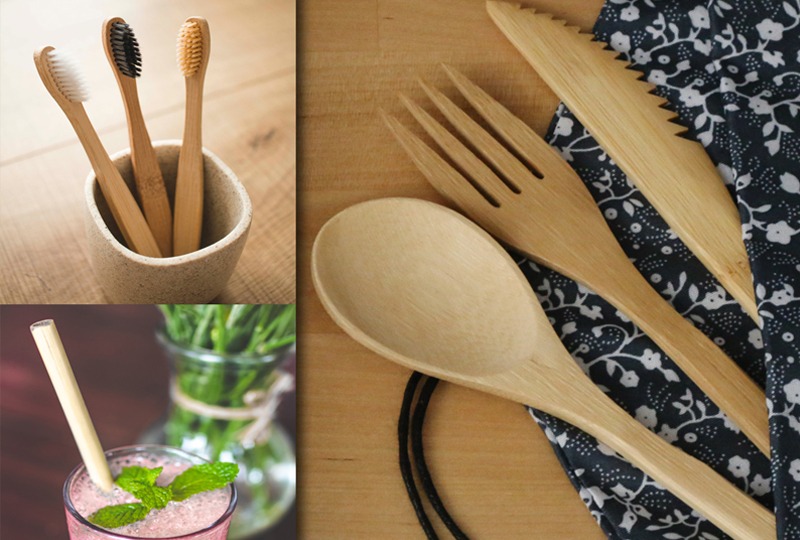
The Southern Municipal Council proposes that a deadline be given to remove all non-biodegradable plastic products from the market and replace them with bamboo, cork, avocado, mycelium and seaweed alternatives.
“Biodegradable materials are far superior to those currently in use, mainly plastic, in so many ways. They are eco-friendly, use less energy to create and will reduce greenhouse gases at this all important time,” said council chairman Bader Al Tamimi, who is spearheading the proposal.
“The move, if adopted, would also decrease the amount of trash in our landfill sites and create fewer toxins,” he added.
“Bamboo could be used to manufacture pens, cutlery, bicycles and straws, and can be used, alongside other green materials, for road construction.
“Cork has amazing biodegradability qualities and is also completely reusable and that’s ‘two birds with one stone’ as it could be used for building foundations, fire-resistant house bricks and home insulation.”
He added that seaweed and avocado are also being used as biodegradable cutlery nowadays. Mycelium is part of the fungi kingdom and is the network of threads, called hyphae, from which mushrooms grow, and is seen as another green alternative. “Mycelium can be turned into building materials and used as a fibreglass alternative, which is surprisingly durable considering where it originates,” said Mr Al Tamimi.
He said that biodegradable water bottles and garbage bags, and seaweed wrapping could also be introduced. “Discarded water bottles have been building up in the sea for years with plastic killing our marine life and infecting our food but a company called Clove has now released biodegradable water bottles,” stressed the chairman.
“Biodegradable trash bags are more energy-efficient to make than traditional plastic. And, seaweed, used as a plastic alternative, is completely biodegradable leaving no harmful chemicals behind, and boasts a shelf life of two years.”
Biodegradable relates to any material that can decompose with the presence of bacteria and other organisms living in the soil, giving it the ability to return to nature.
Mr Al Tamimi said there are multiple options for the proposal to be quickly implemented. “They may not currently be considered conventional but in the long run would prove cheaper, help save the planet, and the move could be implemented along similar lines as single-use plastic regulations currently in place,” he said.
The GDN reported earlier this month that a comprehensive government plan have been proposed to sort out waste before it gets discarded into the soon-to-be-full Hafeera landfill site.
And, Bahrain is set to ban the import, manufacture and circulation of single-use plastic bags – with a thickness of less than 35 microns – from September 19 this year. Plus, in January the country banned the manufacture, import or trade of plastic water bottles and cups below 200ml.
If approved during the council’s last session on Wednesday, the latest proposal will be referred to Oil and Environment Minister Dr Mohammed Bin Daina for review.
mohammed@gdnmedia.bh