

AN insurance-style fund should be set up to assist destitute expatriate workers whose employers have not paid salaries, according to the head of the country’s oldest society dedicated to the protection of migrant worker rights.
During an interview with the GDN, Migrant Workers Protection Society (MWPS) chairwoman Mona Almoayyed highlighted cases in which companies withhold salaries from workers, suggesting a fund be set up in case such businesses go bankrupt before settling their payroll.
“There should be an insurance-style fund established to protect employees in case of non-payment of their salaries – funded by employers when they pay for an expatriate worker’s permit,” she noted.
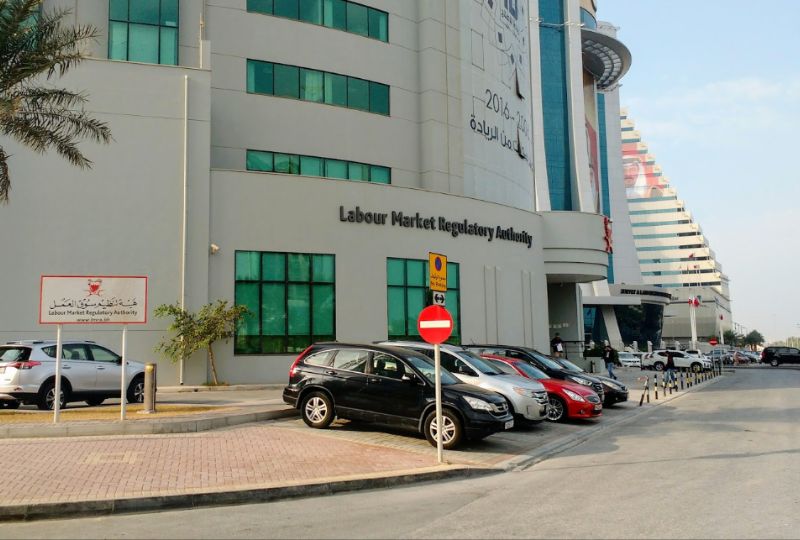
“I have suggested to the LMRA that they set up such a fund, which can support workers in situations where companies go bankrupt before paying their salaries.
“After all, bankruptcy is not the fault of these workers.”
According to the MWPS, unpaid wages and indemnity cases spiked during the Covid-19 pandemic.
In 2020, the MWPS dealt with eight cases of unpaid wages. In 2021, this number dropped to four and last year, the society dealt with three such cases.
Ms Almoayyed acknowledged that these cases have dropped since the establishment of the Labour Market Regulatory Authority’s Expat Protection Centre.
“The Expat Protection Centre takes complaints of unpaid salaries or abused workers seriously, especially around housemaids,” Ms Almoayyed added.
“Any such case we get, we work with the LMRA, which has the power to prevent such employers from hiring any more workers, and arbitrate such conflicts.”
Established in 2015, the LMRA’s Expat Protection Centre is a central hub of services for migrant workers.
In addition to being the headquarters for the National Committee for Combating Trafficking in Persons (NCCTIPs), and housing a gender-segregated shelter for victims of trafficking, it welcomes all migrant workers, regardless of their visa status, to seek assistance or protection.
The MWPS continues to organise legal awareness and educational campaigns to educate workers on their rights in dire situations.
It also hopes to “change mindsets” around migrant workers, especially domestic workers, with more outreach programmes during its next round of activities.
“In Islam, we are supposed to care for those who work for us and treat them like our family, not like slaves,” Ms Almoayyed added.
“Some of these workers have really long hours and work from dawn to midnight, which is quite unfair.
“We hope that through our initiatives, we can encourage families and employers to be more considerate of their workers.”
&uuid=(email))