

CYBER con artists are taking advantage of personal relationships to trick people in Bahrain out of their money with efforts underway to increase awareness and combat fraudsters, said online security experts.
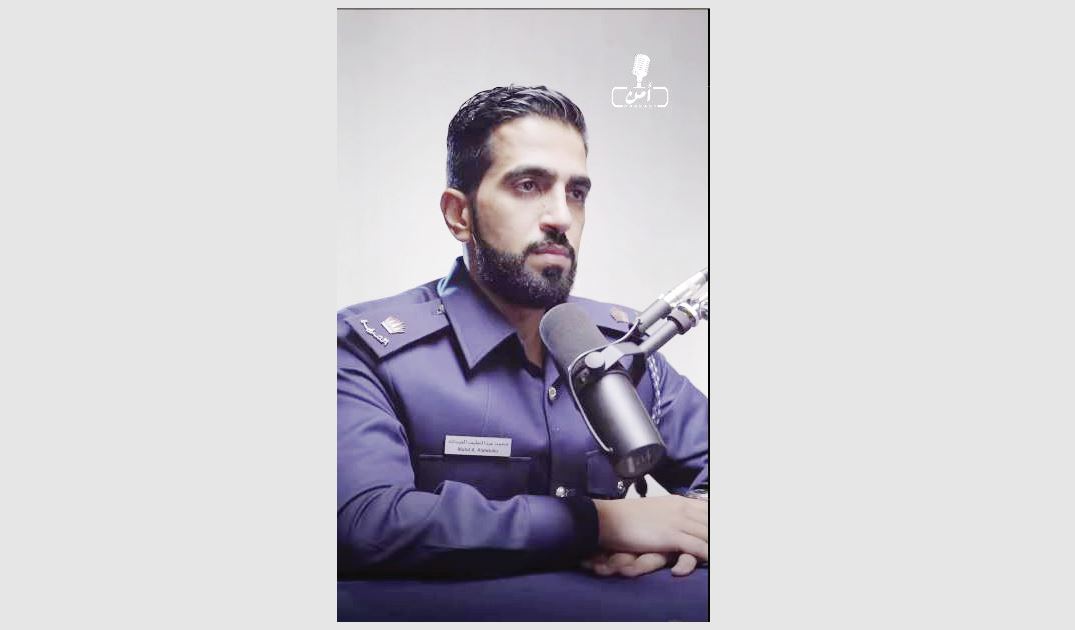
According to Interior Ministry’s anti-economic crimes directorate’s financial crimes division director Major Mohammed Al Abdulla, these con artists take the help of social engineering to swindle individuals.
Social engineering is the tactic of manipulating, influencing or deceiving a victim in order to gain control over a computer system or to steal personal and financial information.
It uses psychological manipulation to trick users into making security mistakes or giving away sensitive information through social media platforms.
Contact
“Fraudsters create new social media accounts and access an individual’s friends and contact them through direct messages (DM),” he said during the ministry’s Amn (security, in Arabic) podcast.
“Through these DMs they contact people asking for their phone numbers by deceiving them into believing that they are their friends and not fraudsters.
“They then inform the victim that they are unable to add them to Whatsapp groups and that they need to see the text message that was sent to their phone.
“These text messages usually contain a one-time password (OTP) which once shared leads to the victim losing access to their social media account or WhatsApp account.”
According to Maj Al Abdulla, once these fraudsters hack into a victim’s accounts they continue the same behaviour by contacting their family and friends asking for money to pay for orders – with false promises of paying the money back.
He added that ‘they prey on people’s trust in their friends and family’.
“If the accounts that are hacked are social media platforms such as Snapchat these fraudsters can begin blackmailing the victims for money by threatening to expose private pictures,” added Maj Al Abdulla.
“This is the easiest way to swindle an individual as there is no hacking involved but accounts are taken control of through the OTP and this is where two-step verification is critical.
“These fraudulent techniques are developing quickly so it’s important to ensure individuals are aware of these tricks to avoid falling victim to them.”
Maj Al Abdulla also advised individuals when being contacted for deliveries – especially if they haven’t placed an order online.
He said that some websites sell the registration details and data of individuals to third-party companies who could use this information for advertisements but others might use it to scam people.
“These messages are sent to thousands of people and out of those dozens might fall victim to these scams and click on links that redirect to websites set-up by scammers,” added Maj Al Abdulla.
“This website informs the victim that there is a package waiting for them and a delivery fee is required and many people are either already expecting a package so they aren’t suspicious.
“The victim is instructed to input their information as well as the bank card PIN and OTP – which then allows the fraudster to access the victim’s online banking and transfer money.
“Anyone can fall victim to scammers who spend time and resources studying the community, the social media applications used and how to target individuals.”
Maj Al Abdulla added that there is continued collaboration across all ministries and private sector entities to combat cyber scams, follow-up on developments and raise awareness within the community to protect individuals.
Victims are encouraged to report cases via the ministry’s 24-hour hotline, 992, visit the nearest police station or email at aecd@interior.gov.bh.
reem@gdnmedia.bh
&uuid=(email))