

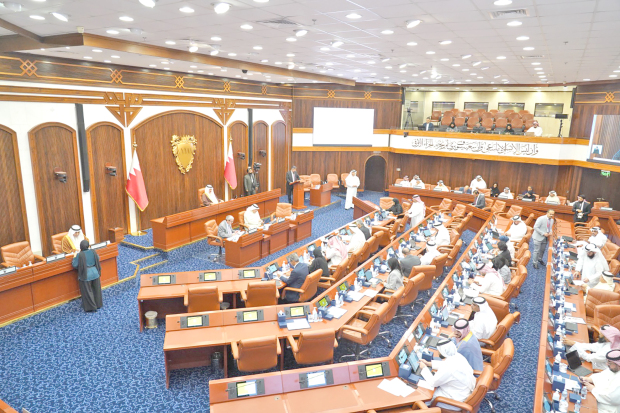
FOREIGNERS – residents, visitors or those in transit – will be obliged to clear all dues before being allowed to leave the country.
Parliament yesterday unanimously approved an urgent proposal in this regard by five MPs led by Strategic Thinking Bloc spokesman Khalid Bu Onk.
However, foreign affairs, defence and national security committee vice-chairwoman Dr Mariam Al Dhaen stressed this was similar to her proposal currently under review.
Parliament’s legal advisers commission head Dr Saleh Al Ghateeth told Parliament Speaker Ahmed Al Musallam there was no clash.
“The new proposal speaks of administrative measures legislators want the government to take before allowing any foreigner to leave the country,” he said.
“The proposal presented by Dr Al Dhaen speaks of court verdicts solely.”
Mr Bu Onk said many foreigners flee the country without paying due amounts in the absence of court verdicts.
“This new rule if implemented will guarantee all rights are protected as many people find it difficult to locate foreigners once they have left the country,” he said.
Meanwhile, Labour Minister Jameel Humaidan appeared during Parliament’s session yesterday to comment on his written response to two questions by Parliament public utilities and environment affairs committee vice-chairman Mohammed Al Bulooshi and MP Jalal Kadhem on work permits issued to expats.
“Work permits have been issued to 563,723 expats, including domestic workers, since December last year and until mid-October this year,” said Mr Humaidan, who is also Labour Market Regulatory Authority (LMRA) chairman.
“During the same period, we found 2,076 violations by employers and 3,634 violations by expatriate workers,” he added.
“Around 1,900 violations have been referred to the Public Prosecution.”
Mr Humaidan and Mr Kadhem got into an argument after the later accused the government of legalising “free visa” work for expats to sell its own work permits.
The minister stated that new work permits were aimed at tackling illegal work being provided by expats already in the country.
Parliament also unanimously approved a new proposed legislation for social welfare, presented by five MPs led by Speaker Ahmed Al Musallam, to have part of tax revenues and other sources saved in a special fund to help underprivileged families.
The ministries of Social Development and Finance and National Economy raised objections while stating that there were 17,351 citizens who benefit from current government schemes.
MPs also unanimously proposed amendments to the 1975 Civil Servants Pension Law, 1976 Social Insurance Law and 1976 Military Pension Law to increase the one-off marriage grants for widows and orphans from BD540 to BD1,000.
The Social Insurance Organisation had no objections, but asked MPs to wait until the actuarial study is completed by the end of the year.
It said such grants were given to 237 government cases at a cost of BD965,599 and 187 private sector cases at a cost of BD546,499.
The Military Pension Fund objected to the move, asking MPs to put a cap on the maximum amount handed out to beneficiaries to avoid draining the national coffers.
The Supreme Council for Women and the Bahrain Women’s Union backed the proposed move in all three laws.
&uuid=(email))