

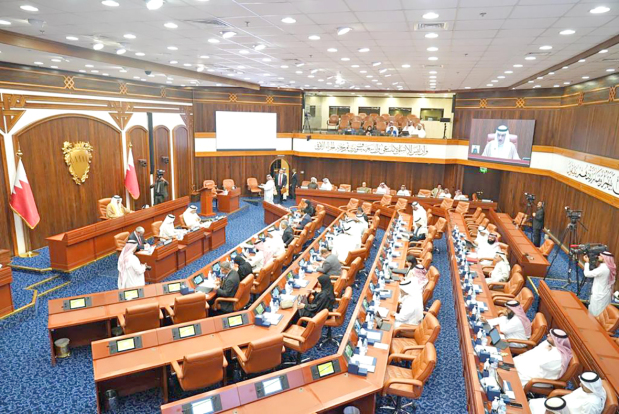
BAHRAIN is set to house the new regional headquarters of the GCC Telecom Technical Bureau.
An urgent legislation to set up the facility in Busaiteen has been forwarded to Parliament by His Royal Highness Prince Salman bin Hamad Al Khalifa, Crown Prince and Prime Minister.
It follows a GCC agreement signed last month by Foreign Minister Dr Abdullatif Al Zayani.
Under the governing rules, Bahrain has no right to monitor the bureau’s official communications while allowing it to use secure codes and encryptions in its letters and calls.
The bureau will have the right to use diplomatic bags and telecommunication equipment available in the country in line with local regulations.
Bahrain’s government cannot take any legal or administrative action against the bureau with all employees being granted diplomatic immunity.
The rules also exempt the bureau from all taxes, while allowing it to carry out financial transactions without any restrictions.
Bahrain will be obliged to provide all facilities and services such as post, phone, electricity and water.
The bureau’s agreement is timeless, unless Bahrain notifies the GCC General-Secretariat or vice versa six months prior to the termination.
The Legislation and Legal Opinion Commission has welcomed the move while drawing up the draft set-up and governing legislation, saying it reflected Bahrain’s pivotal status in the telecommunications field.
The draft will be forwarded through a vote during Tuesday’s weekly session to the public utilities and environment affairs committee for review, with a recommendation submitted within a maximum of two weeks.
Meanwhile, MPs are finally set to debate a special parliamentary probe report on the low living standards of nationals following two postponements.
The report has been compiled by a panel led by Strategic Bloc president MP Ahmed Al Salloom and contains 37 recommendations following more than a year of research, field visits and meetings with government officials.
Citizens may receive more payments to cope with inflation and rising living standards if MPs have their way. A proposal in this regard includes increasing the minimum monthly wage for civil servants from the current BD442, with a new payment chart to be agreed upon later between the government and legislators.
Parliamentarians want the government to reintroduce overtime payment for civil servants, which has been replaced with compensatory off days.
MPs are also calling for a new law that determines the minimum wage for every vocation amongst private sector employees.
They want the monthly living improvement allowance for civil servants to be granted to all citizens working in the private sector.
mohammed@gdnmedia.bh
&uuid=(email))