

Vision problems such as nearsightedness, farsightedness, and astigmatism are treatable by two widely used refractive eye surgeries: LASIK, which means laser-assisted in situ keratomileusis, and PRK, which means photorefractive keratectomy.
Despite their shared goal of correcting vision, these procedures differ in their techniques and approaches.
In LASIK, a precise laser is employed to create a thin flap in the cornea, the transparent outer layer of the eye responsible for focusing light. Conversely, PRK involves the removal of the entire outer layer of the cornea, known as the epithelium, which regenerates over time.
PRK begins similarly to LASIK, with the administration of numbing eye drops and the use of a device to prevent blinking. The surgeon then eliminates the epithelium before reshaping the cornea with an excimer laser. A protective bandage, akin to a contact lens, is applied temporarily to aid healing until the epithelium regrows, typically within a week.
For LASIK, the initial steps include an assessment of eyesight, an eye examination, and the provision of advice on the most suitable surgical option. Following the application of numbing eye drops and the prevention of blinking using a device, a small flap is created in the cornea. The cornea is reshaped with an excimer laser, addressing issues with eye curvature, and the flap is replaced.
Each procedure has its advantages and disadvantages. PRK, being less invasive, is advantageous for individuals with thin corneas or corneal irregularities.
It also presents a lower risk of complications like flap dislocation and infections. Moreover, PRK is often preferred for occupations with a higher risk of eye injury, such as military personnel or athletes. Additionally, PRK can treat a broader range of vision problems.
However, PRK comes with downsides, including a lengthier recovery time, discomfort during the initial days post-surgery, and potential vision fluctuations during healing.
On the other hand, LASIK boasts a quicker recovery time, with many individuals returning to normal activities within days. The initial healing phase is generally more comfortable compared to PRK. However, LASIK has its drawbacks, including a higher likelihood of causing long-term dry eye problems and the risk of flap complications, which could lead to corneal scarring or vision loss. LASIK may not be suitable for everyone, particularly those with specific eye conditions or health issues.
Ultimately, both LASIK and PRK are safe and effective methods for correcting vision problems.
The choice between the two depends on individual factors such as the required degree of correction, corneal thickness, and personal preferences. Consulting with an experienced eye surgeon is crucial to determine the most appropriate option for each individual.
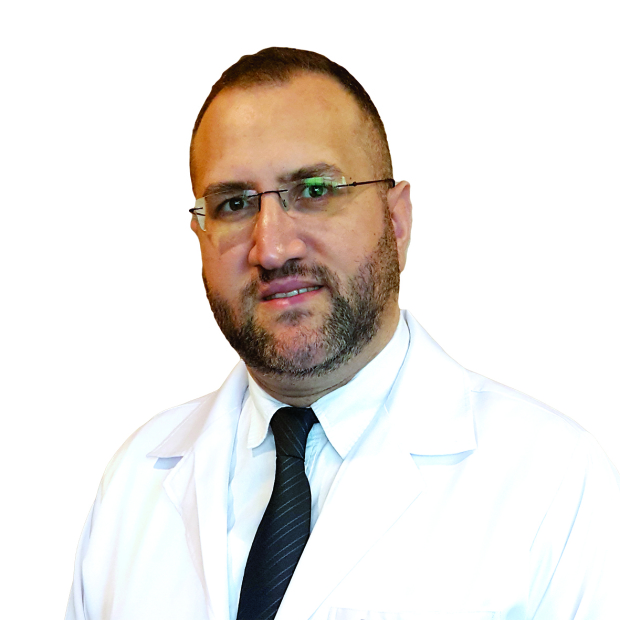
For those considering vision correction surgery, scheduling an eye exam with Dr Bader Toffaha, MD, PhD, who holds a doctorate in refractive surgery from Miguel Hernandez University in Spain and serves as a visiting ophthalmology consultant at RBH, is highly recommended.
Appointments with Dr Toffaha can be made via the RBH mobile application or WhatsApp 32181810 until Friday, where his expertise can guide individuals to make informed decisions about their vision correction journey.
&uuid=(email))