

Social media users in Bahrain are being urged to be ‘confident, cool and collected’ when it comes to ignoring and unfollowing so-called influencers and posters who are using their platforms to stir up unrest and conflict in the community.
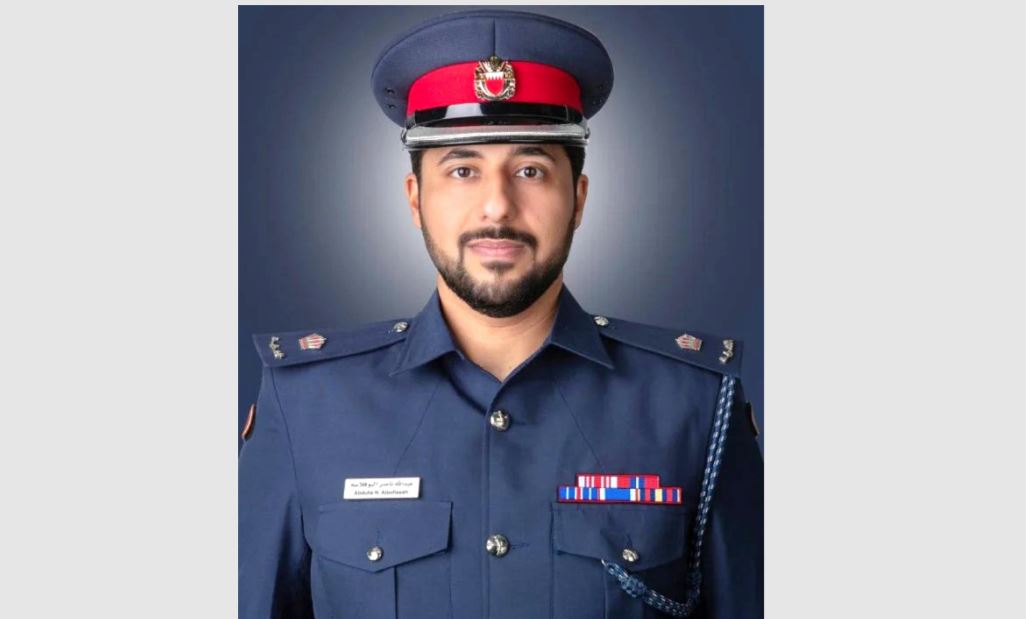
Following recent irritating instances of ‘online incitement’, Interior Ministry external directorate supervisor and legal awareness team head Major Dr Abdulla Al Buflasa hit back at the rabble-rousers pointing out that those encouraging people to cause trouble, even if they do not participate in a crime, will face punishment.
“Everybody uses social media these days, but not everybody realises that you can face legal consequences for using it unethically,” he said. “Social media can be a very good thing, it can connect people, deliver information … but it can also be misused.
“Among the biggest infractions is electronic incitement, which is generally calling for violence or hatred through such platforms, while the perpetrators themselves try to hide behind their screens.”
Among the most recent cases in Bahrain involved a man behind a notorious viral video that contained a speech that ‘insulted the honour and dignity’ of the people. He had posted a video of himself driving around Nabih Saleh and making derisive comments about its residents, which spread like wildfire on social media and sparked a widespread backlash.
Earlier this month, he was sentenced to three months behind bars and fined BD100 after being found guilty of charges of ‘hate speech’ and attempting to stir up sectarian strife.
Shortly after, an influencer who dressed up his goat to mock the original poster, was apprehended by the authorities and is standing trial for alleged defamation.
Although both cases took place within the kingdom, Maj Dr Al Buflasa said that perpetrators in most cases tend to be living abroad and even mask themselves behind fake accounts.
“You never know who is really behind these acts,” he said. “They are usually based overseas and, more often than not, pretend to be someone else, which is easy to do on social media.
“One person may have multiple fake accounts from which they can use to incite hatred or convince people to commit crimes.
“All they have to do is find some people they can manipulate and then have them do the deed on their behalf, and since these perpetrators are usually based overseas, it becomes challenging to identify them.”
Maj Dr Al Buflasa made it very clear that just because somebody does not carry out an illegal act himself or herself, it does not mean they are out of reach of the long arm of the law.
“If you are found to be guilty of incitement, be it online or in real life, you will face the consequences,” he said. “The penalty, of course, depends on the crime itself, and more often than not, those found guilty will face the same penalty as the one who commits the crime, if not a harsher one.
“If you push someone towards committing theft for example, you will face penalties related to that crime. If you incite murder, you will also be treated as a murderer.”
Maj Dr Al Buflasa has urged people to protect themselves from such crimes by using common sense and reporting suspicious online activities. “Just because somebody says to do something, does not mean you have to do it,” he said. “Do not allow yourself to be manipulated and believe them when they say who they are or that they will join in the act, because they almost certainly will not.
“Similarly, do not call for violence or hatred, and do not encourage anybody to commit a crime, otherwise, you will also be held accountable for them.
“Finally, if you see anything suspicious online, report it to the General Directorate of Anti-corruption and Economic and Electronic Security, and then step back and let the authorities investigate.”
nader@gdnmedia.bh
&uuid=(email))