

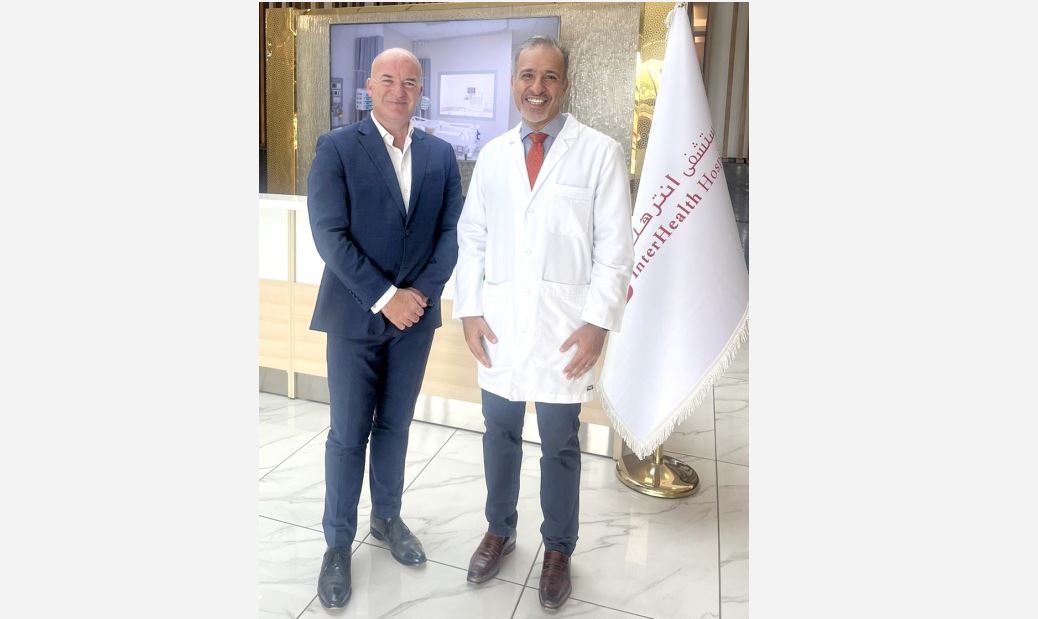
Bahrain has been identified as a frontrunner in the GCC for implementing an accelerated universal health insurance system, leveraging its existing healthcare infrastructure and expanding its capacity through medical tourism, according to new research by Health System Intelligence (HSi).
HSi’s detailed analysis of GCC health systems, supported by its AI-powered platform Insight, highlights Bahrain’s potential to reduce government healthcare spending by improving efficiency and integrating universal health insurance. The report underscores the urgency of these reforms, citing the challenges posed by an ageing population and the associated rise in disease burdens.
“Bahrain is uniquely positioned to lead the GCC in rolling out universal health insurance,” said HSi chief executive Mark Gordon.
“Our research reveals strong opportunities to optimise government health services, fast-track insurance implementation, and capitalise on additional revenues from medical tourism.”
He added that Bahrain and Saudi Arabia already demonstrate competitive pricing and clear access in their private healthcare sectors compared to Western systems, making them attractive to medical tourists.
The Insight platform provides a clear roadmap for Bahrain to reduce public healthcare spending, streamline existing insurance markets, and implement universal coverage.
HSi chief financial officer Gary Burden, formerly of BUPA Arabia, highlighted Bahrain’s potential to fast-track universal health insurance without creating a new government-owned Third-Party Administrator (TPA).
“The private sector already has the capacity and capability to handle this transition. Optimising efficiency in local providers could save at least BD40-50 million annually in public healthcare spending while generating an estimated BD200m per year from medical tourism,” he said.
The analysis emphasises the cost-effectiveness of Bahrain’s healthcare market compared to global counterparts and the potential to reduce government spending through improved operational efficiency.
HSi advisory board member and consultant neurologist Dr Fahmi Al Senani noted the importance of standardising clinical pathways as part of the optimisation effort.
“Improving access and standardising care across providers will not only enhance patient outcomes but also lower costs for payers. This could establish Bahrain as a model for the region,” he said.
Professor Lindsay Sales, HSi’s international business advisor, reinforced these findings, stating that universal health insurance would drive the adoption of efficient clinical pathways and pricing structures, benefiting both payers and patients.
avinash@gdnmedia.bh

Follow us on LinkedIn - Gulf Daily News - GDN
&uuid=(email))