

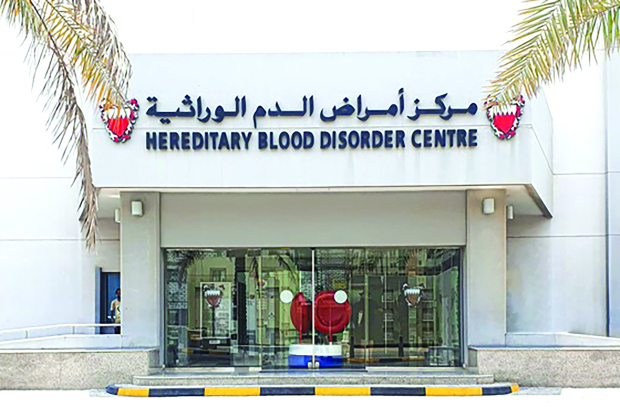
BAHRAIN’S Government Hospitals has officially launched round-the-clock operations at the Hereditary Blood Disorder Centre within Salmaniya Medical Complex (SMC).
In a significant step toward strengthening healthcare services for patients with genetic blood disorders, the new service aims to significantly improve the quality of care for patients suffering from sickle cell anaemia, one of the most prevalent hereditary conditions in the kingdom.
The announcement was made by Government Hospitals chief executive Dr Maryam Al Jalahma, who said that this initiative reflects a deep institutional commitment to enhancing patient outcomes and ensuring timely access to emergency and routine care.
She added that the move aligns with Bahrain’s broader national vision of healthcare excellence and equitable access, especially for populations with high-risk or chronic conditions.
It would see the Hereditary Blood Disorder Centre serve as a critical care hub for managing emergency sickle cell cases while also offering continuous support for follow-up treatment, consultations and medication management.
Dr Al Jalahma reiterated that the centre is staffed with a highly trained medical team equipped to handle complex haematological cases with efficiency and compassion.
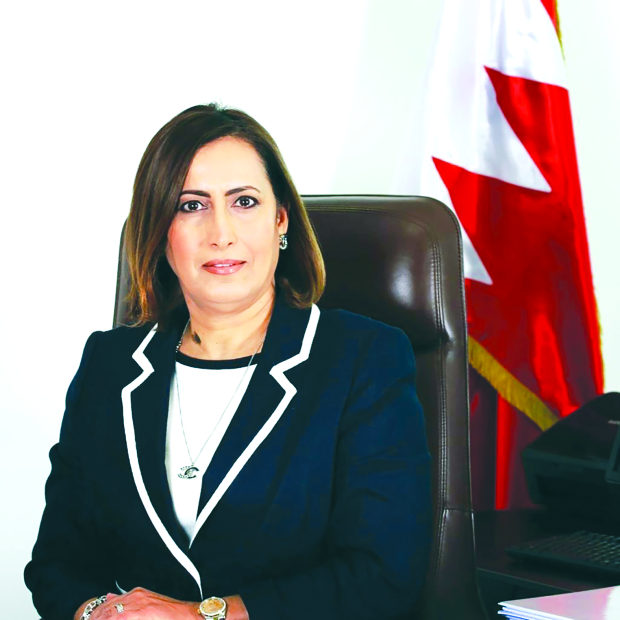
Dr Al Jalahma
“We are not only enhancing capacity but also ensuring quality, continuity and dignity in care, which are the pillars of our healthcare reform agenda,” she said.
“The Government Hospitals’ initiative is seen as part of a national strategy to improve quality of life and reduce hospital admissions through more efficient, accessible and patient-focused services.
“As Bahrain continues to innovate in healthcare delivery, the launch of 24-hour services at SMC-based Hereditary Blood Disorder Centre represents a model for future expansions in specialised care, offering hope to thousands of families affected by sickle cell disease across the kingdom.
“Launching 24/7 operations at the Hereditary Blood Disorder Centre is part of our ongoing mission to deliver world-class healthcare services to all citizens,” Dr Al Jalahma stated.
“This move is expected to significantly improve response times to emergency cases, reduce waiting periods and ultimately enhance the health, safety and comfort of our patients.”
Dr Al Jalahma noted that the centre’s extended working hours come as part of a broader strategy to build a comprehensive and sustainable healthcare system that caters especially to patients with chronic or high-urgency conditions.
“Our priority is to streamline the treatment process and ensure that no patient in need of urgent care is left waiting,” she added.
“This initiative is particularly vital for individuals living with sickle cell disease, who require rapid intervention in pain crises and other complications.”
The decision has been warmly welcomed by patient advocacy groups, including the Bahrain Society for Sickle Cell Patients Care, whose chairman Zakaria Al Kadhem praised the move as a ‘transformational step’ in addressing the longstanding challenges faced by sickle cell patients in the country.
“We extend our heartfelt gratitude to the Government Hospitals for this thoughtful and life-saving initiative,” said Mr Al Kadhem.
“Operating the centre 24 hours a day is not just a logistical upgrade – it represents a major leap forward in patient-centred care, offering a responsive treatment environment tailored to the needs of this vulnerable group.”
Mr Al Kadhem stressed that sickle cell patients often face unpredictable health crises, including severe pain episodes that require immediate medical attention.

Mr Al Kadhem
“By keeping the doors open around the clock, the Government Hospitals are sending a powerful message of inclusion and empathy,” he noted.
“It reflects a genuine commitment to the welfare of people living with genetic blood disorders and will no doubt improve patient satisfaction and clinical outcomes.”
mohammed@gdnmedia.bh
&uuid=(email))