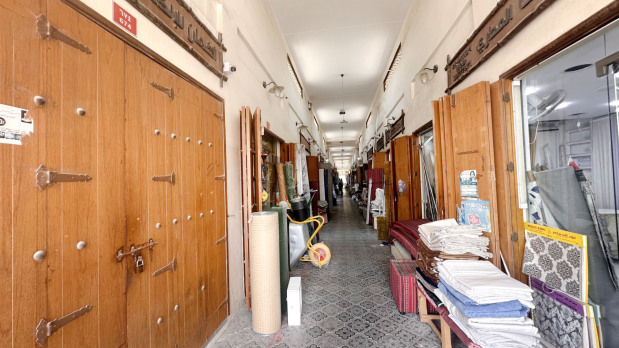
New regulations have been approved to govern operations in central and traditional markets across Bahrain.
The landmark move, by the three municipal councils and the Capital Trustees Board in the kingdom, is aimed at boosting economic activity, enforcing legal and health standards, and modernising commercial spaces.
It also marks a unified national effort to ensure that Bahrain’s markets operate under a clear and enforceable legal framework that protects vendors, consumers and public assets.
The new regulations aim to:
- Improve the organisation, oversight, and licensing of traders.
- Maintain cleanliness, safety and public order in market areas.
- Strengthen the economic role of traditional and central markets.
- Ensure equal access to commercial spaces through fair licensing practices.
“These regulations provide the legal clarity we’ve long needed,” said Southern Municipal Council chairman Abdulla Abdullatif.

Mr Abdullatif
“They ensure our markets continue to serve citizens and residents in a way that reflects the kingdom’s image – organised, clean and economically vibrant.
“Well-managed markets are vital to Bahrain’s local economy. The new law ensures they operate efficiently while preserving their cultural significance.”
One of the central provisions of the law is the establishment of a Market Oversight Committee in each municipality which will be chaired by the director-general of the civic authority and include senior officials from the departments of legal affairs, revenue, licensing, procurement and property management, in addition to one council member appointed by the council chair.

Dr Al Wedaie
Northern Municipal Council chairman Dr Sayed Shubbar Al Wedaie emphasised the committee’s role:
“Oversight must be both proactive and responsive. This committee is a crucial tool to ensure that tenants and vendors comply with health, safety and commercial standards.
“This is not just regulation; it’s an investment in community, heritage and commerce.”
Strict rules under the new law include:
- Only individuals or entities officially allocated a space by the relevant municipality may conduct any commercial or craft activity.
- A single trader may not hold more than one location per market, except under economic justifications and with ministerial approval.
- Licence holders may not sublet or transfer their allocated spaces without prior approval.
- Traders are fully responsible for maintaining the site, removing any structures or waste upon the licence’s expiry, and keeping the premises clean and safe at all times.
Muharraq Municipal Council chairman Abdulaziz Al Naar described the rules as essential for market discipline.

Dr Al Naar
“This is about fairness and accountability. Every trader must adhere to the same rules, and every citizen deserves a market that is safe, clean and well-managed,” he said.
The regulations also include detailed conditions for using sidewalks, plazas, and corridors within the markets:
- Permits will be issued only to licensed vendors within the specific market.
- No part of the permitted space may interfere with emergency services or pedestrian movement.
- A minimum one-metre clearance must be left for pedestrian traffic on sidewalks, with the possibility of increasing this based on crowd density.
- The permits are temporary and can be revoked at any time without the municipality bearing responsibility for damages or loss.
Capital Trustees Board chairman Saleh Tarradah said public spaces must remain accessible and safe.

Mr Tarradah
“These new regulations ensure that our sidewalks and market corridors are not obstructed, preserving the flow of commerce and community life,” he explained.
“With the unified regulations in place, Bahrain’s central and traditional markets are expected to become more attractive to consumers and entrepreneurs alike. We believe that by balancing order with opportunity, the markets will thrive as economic and social hubs.”
To maintain order and deter misconduct, the regulation authorises the municipality to confiscate goods sold in violation of the law, relocate confiscated items at the offender’s expense, auction seized goods if necessary, deducting municipal dues and returning any remaining balance to the vendor, and the municipality is not liable for damage to goods while in custody.

Shoppers at the traditional market in Muharraq
All four municipal bodies agreed that the regulations will have a positive impact on the national economy by creating legal certainty for market vendors; supporting local businesses and traditional crafts; and improving public trust in the cleanliness and professionalism of market environments.
mohammed@gdnmedia.bh