

The trial operation of smart traffic cameras across Bahrain is set to begin in December, according to the Interior Ministry’s UnderSecretary for Legislative Affairs Rashid Mohammed Bunajma.
He revealed that 500 high-resolution cameras will be installed on roads and streets nationwide as part of a new, technology-driven traffic monitoring system.
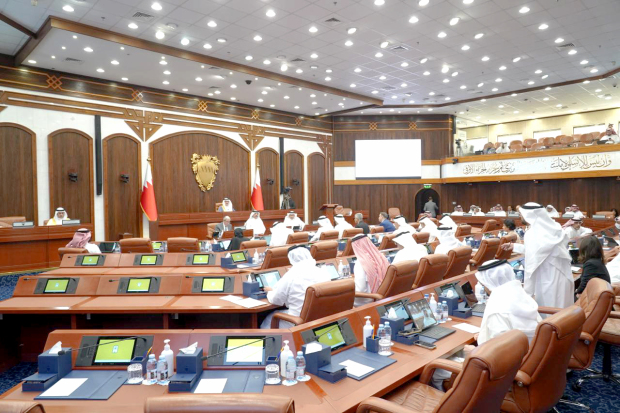
Speaking during yesterday’s Parliament session, while discussing the Decree-Law amending the 2014 Traffic Law, Mr Bunajma explained that the new system aims to enhance traffic discipline and road safety by enabling authorities to detect a wide range of violations in real time.
“The installation of 500 advanced smart cameras equipped with the latest technology will significantly raise the level of traffic control and contribute to improving public safety on the roads,” Mr Bunajma said. “The experimental phase will start in December, and we expect between 200 and 300 cameras to be operational by the first quarter of next year.”
Mr Bunajma also confirmed that the ministry is studying the traffic points system for violations, in line with directives from Interior Minister General Shaikh Rashid bin Abdulla Al Khalifa, and plans to activate it once the new traffic monitoring system is fully integrated.
“There are clear instructions from the minister to study and implement the points system once the traffic monitoring framework is complete,” he said. “This system will make enforcement fairer and more effective.”
Addressing questions from MPs about the recent decree-law that toughened penalties for serious traffic violations, Mr Bunajma stressed that the amendments were not punitive towards law-abiding motorists but rather targeted at reckless and repeat offenders who pose a danger on the roads.
“The amendments are directed at those who disregard traffic rules – not those who comply with them,” Mr Bunajma said.
“Some people have claimed the decree was a reaction to recent incidents but that is incorrect. The ministry continuously reviews all its laws to ensure they meet current needs and enhance public safety.”
Responding to criticism that the decree-law was issued hastily, Mr Bunajma pointed out that the legislative process for the original Traffic Law had taken seven years before it was enacted in 2014, having first been submitted to Parliament in 2008.
“This time, there was a pressing need for swift action to preserve lives and strengthen deterrence,” he said. “The government deemed it necessary to act quickly in the public interest, based on extensive studies and continuous legal review – not as a reaction, but as part of our ongoing legislative development.”
Mr Bunajma reaffirmed the Interior Ministry’s commitment to modernising Bahrain’s traffic system, integrating advanced technology and enforcing the law fairly to protect all road users.
“We are not here to discuss Newton’s laws of motion,” he remarked humorously in response to comments from MPs. “We are here to ensure that Bahrain’s roads are safer and that our legal framework remains effective and up to date.”
Parliament approved three royal decrees issued by His Majesty King Hamad during recess amending the 2014 Traffic Law, the 1976 Penal Code and the 2002 Criminal Procedures Law and referred them to the Shura Council for review.
MPs unanimously approved a proposal by Strategic Thinking Bloc member Dr Mariam Al Dhaen to instal non-compulsory dash cams in vehicles and referred it to the Cabinet for review.
Dr Al Dhaen stressed the importance of dash cams, stating that the Interior Ministry had officially backed the move.
This came despite repeated queries from MPs, including Parliament Speaker Ahmed Al Musallam, over cost issues. Dr Al Dhaen replied that the devices can be ‘as cheap as BD20’.
MP Mohammed Al Olaiwi added that the use of dash cams would resolve disputes between motorists over the cause of an accident and who was responsible.
mohammed@gdnmedia.bh
&uuid=(email))