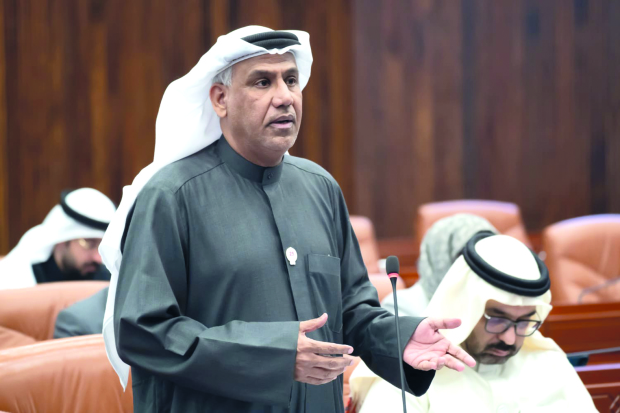
The government has been urged to temporarily stop granting new permits for sheesha cafés in Capital Governorate’s constituency two.
Five legislators, led by second deputy speaker and area MP Ahmed Qarata, cited public health concerns and traffic congestion as they submitted the proposal to suspend the issuance of new cafe licences in the area.
They also called on the authorities to diversify commercial activities in the constituency and conduct a comprehensive study to reorganise licensing regulations in the district.
The proposal is set to be debated during Tuesday’s weekly Parliament session.
“The area is oversaturated with sheesha cafés, causing traffic congestion and health hazards,” said Mr Qarata.
“This proposal is not against business owners, but it is about restoring balance and protecting the health and quality of life of residents. We are calling for a temporary suspension until the authorities can regulate this activity properly.”
The Health Ministry noted that licensing for such cafés was already governed by Law No (8) of 2009 on Combating Smoking and All Forms of Tobacco, which prohibits sheesha outlets in residential areas, public parks, sports clubs, and commercial malls.
The ministry stressed that any licensing decisions must comply with these existing health and safety standards.
The Bahrain Anti-Smoking Society supported the proposal, stating that it aligns with the kingdom’s commitment to the World Health Organisation Framework Convention on Tobacco Control, which seeks to reduce tobacco consumption by 30 per cent by 2025.
The society emphasised that opening more sheesha cafés “brings no real economic or social benefit” and undermines Bahrain’s standing as a regional leader in public health.
Parliament services committee chairman MP Mamdooh Al Saleh said the panel fully endorsed the proposal, describing it as ‘a step in the right direction towards healthier and more sustainable urban development’.
“The goal is not to restrict commerce but to ensure a balanced mix of businesses that serve the community’s needs without compromising health and safety,” he added.