

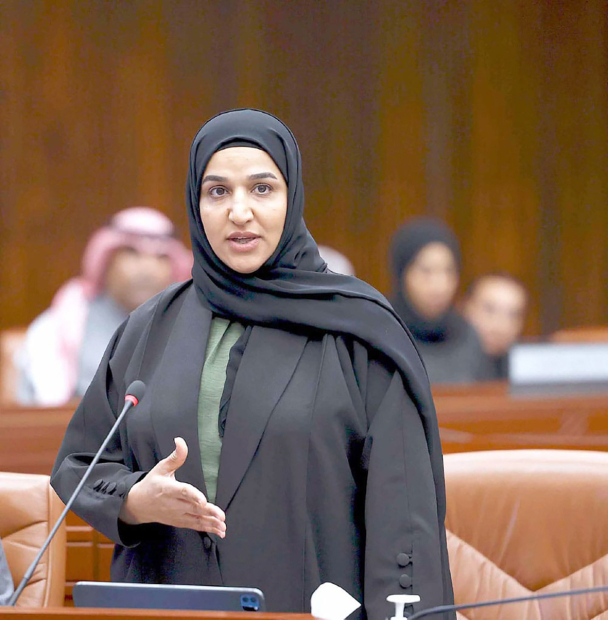
A proposal to enhance the qualification, training and scholarship opportunities for government employees working in financial oversight is set to be reviewed by Parliament.
The initiative, submitted by five MPs led by Jalila Al Sayed, has received unanimous backing from Parliament’s services committee, which highlighted the increasing complexity of government financial operations.
The proposal calls on the government to enrol relevant employees in specialised training and academic programmes in accounting, bookkeeping and auditing, enabling them to obtain internationally recognised professional certifications and strengthen overall oversight capabilities.
“Effective financial supervision requires qualified professionals, not just administrative experience,” Ms Al Sayed said.
“With expanding government projects and new fiscal obligations on companies, we must ensure that those responsible for oversight meet the highest professional standards.”
She said the proposal responds to a clear skills gap, with some employees currently overseeing financial compliance without holding specialised certifications.
“This is about safeguarding public money and improving the quality of financial reporting across the public sector,” she added.
Co-signatory MP Mohsin Al Asbool said the proposal reflects Parliament’s determination to raise institutional performance and reduce financial risk.
“When financial records are inaccurate or poorly reviewed, the consequences affect the entire economy,” Mr Al Asbool said.
“Investing in training and professional qualifications is far less costly than dealing with errors, disputes or financial mismanagement later on.”
He stressed that strengthening internal oversight would also improve confidence among investors and international partners, particularly as Bahrain continues to modernise its regulatory and tax frameworks.
The Civil Service Commission, in its response, confirmed that training and career development are already embedded within the Civil Service Law and executive regulations, with government entities responsible for identifying needs and allocating budgets. The Education Ministry also said it already implements training and scholarship programmes in these areas, within available resources.
However, the services committee recommended its approval, stressing the need for wider and more structured implementation across all ministries.
&uuid=(email))